
Disaster Guide
Winter Storms: How to Get Your Family Through the Snow
What I've learned from a few Reno winters that didn't follow the usual rules, and what the experts say to do before, during and after a storm.
The storm that wouldn't quit
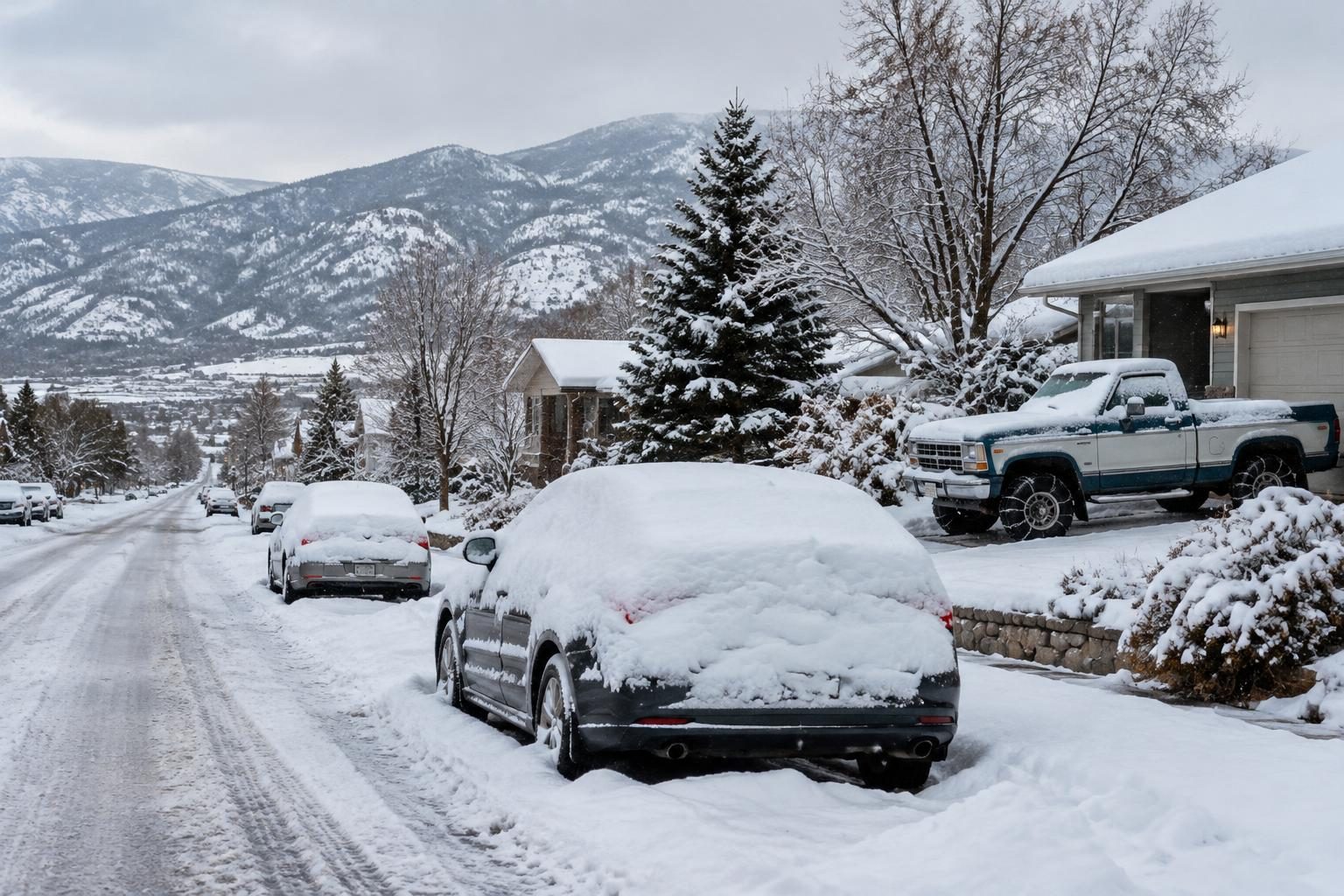
In 1991, a storm rolled into the Reno area and stayed for two weeks. It never stopped snowing, not even for an hour. The flakes were tiny, but they just kept coming, and we watched it pile up day after day until there were 31 inches on the ground at my house.
That's not normal for us. We get our share of 6- and 10-inch storms, but they're usually melted off in a day or two. This one wasn't going anywhere. I ended up on my roof trying to shovel some of it off. Getting around town was hard. I had an old Ford truck with chains on it, and it did fine, but most cars didn't move at all. Plenty of them sat buried for weeks.
The part that stuck with me most was the grocery stores. The trucks that bring our food come over the passes from California, and for a while they couldn't get through. For a few weeks, the shelves got thin and people had to make do with what they had at home. It passed, and everybody was fine. But I remember thinking that the families who had a pantry full of food didn't have to worry about any of it.
Thirty years later, a different lesson
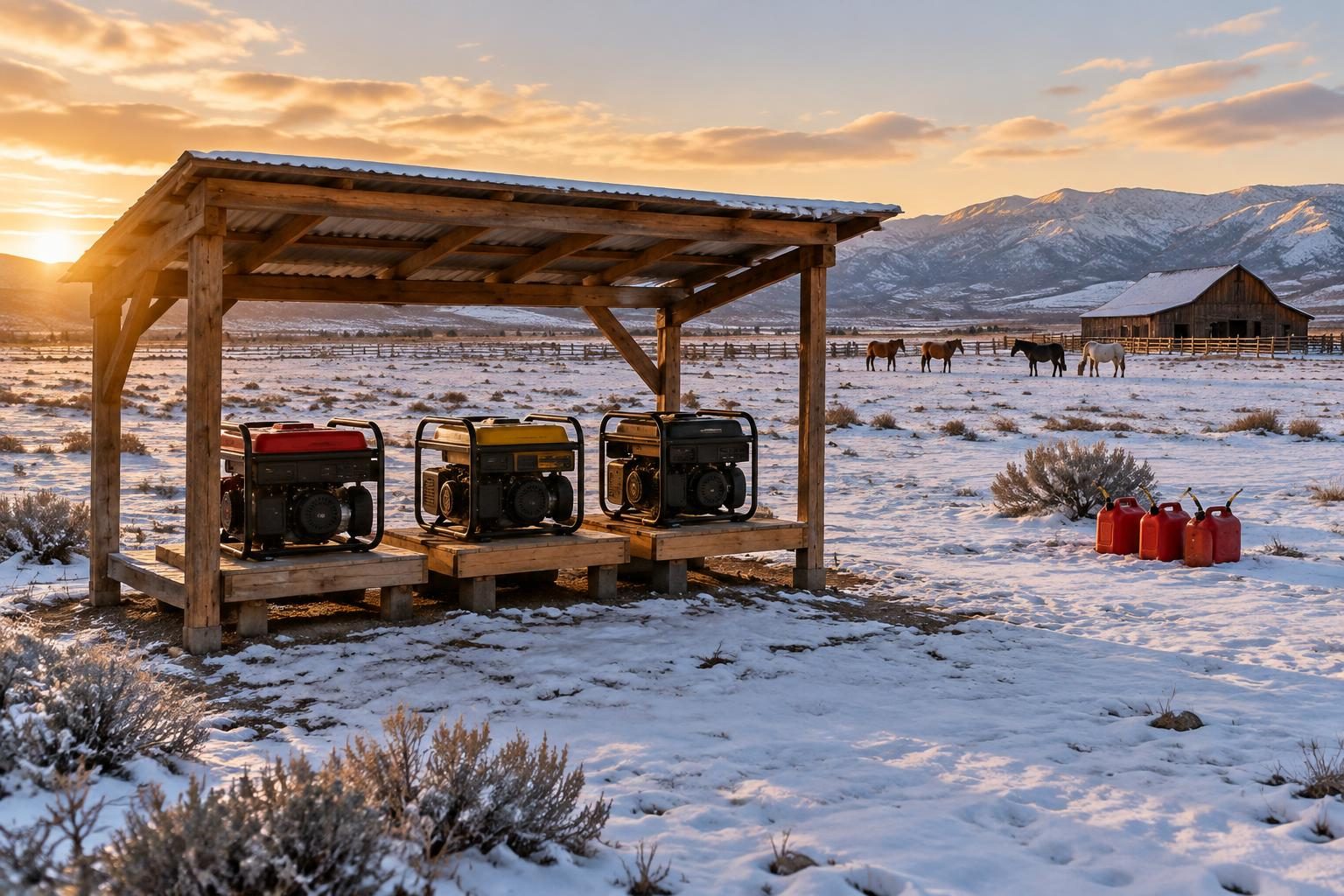
In 2021, another big storm hit Sparks, and a lot of people lost power for about a week. A friend of mine owns a farm, and he ran seven generators for two weeks straight to keep his animals alive.
Afterward he gave a presentation on what that actually took, and we all learned a great deal from it. Running on generators isn't as simple as pulling a cord and having power. He had to keep them out of the snow, keep the exhaust away from people and animals, and keep enough fuel on hand to feed seven machines day and night. It was a full-time job.
Meanwhile, the people around him without power found out quickly how much depends on electricity. Without power, the refrigerator and freezer warm up and food goes bad. Most furnaces need electricity to run, even gas ones. Electric stoves don't work. A week like that gets hard fast if you haven't thought about it ahead of time.
Know the warnings
The National Weather Service uses a few terms you'll hear on the news:
- Winter Weather Advisory: Snow or ice is coming that will make things inconvenient and slick. Be careful, especially on the roads.
- Winter Storm Watch: A big storm is possible in the next day or two. This is your signal to get ready.
- Winter Storm Warning: A big storm is on its way or already here. Take action now.
- Blizzard Warning: Heavy snow and strong winds are expected to make it almost impossible to see. Stay off the roads.
When you hear "watch," that's the time to fill the gas tank, charge everything, and make sure you have what you need. By the time it's a warning, the stores are already crowded.
Before the storm
At home:
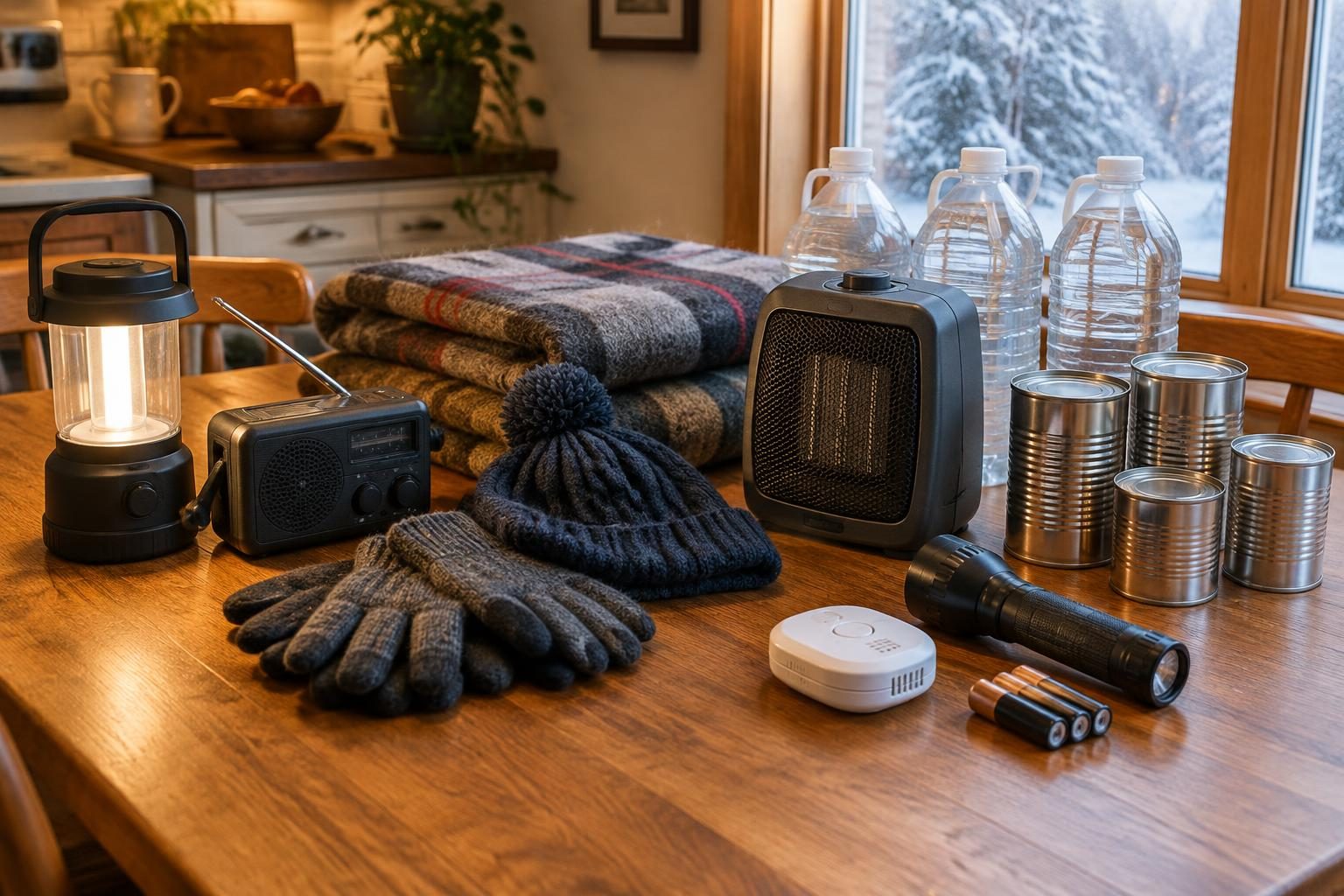
- Keep at least a week of food that doesn't need cooking, and water for everyone (one gallon per person per day). After 1991, I'd plan for longer.
- Have a safe way to stay warm without power. I own a VESTA heater, which is made for indoor use and needs no electricity. Whatever you use, make sure it's rated for indoors.
- Put working carbon monoxide detectors on every level of your home, with fresh batteries.
- Get flashlights, lanterns, extra batteries and a battery or hand-crank radio.
- Charge your phones and power banks when a storm is in the forecast. A small solar generator can keep phones, lights and a radio going for days.
- Have extra blankets, warm clothes, hats and gloves for everyone.
- Keep a snow shovel, and ice melt or sand for your walkways.
- Refill prescriptions before the storm, not after.
- Know how to shut off your water if a pipe freezes and bursts.
In the car:
I learned this one the hard way, and it wasn't even in a storm. We were driving home to Sparks from Rexburg, Idaho, after dropping our son off at school. Around 8 o'clock at night, coming around the bend on I-80 east of Sparks near the industrial park, we saw a long line of red taillights stretching ahead of us. We figured it would be an hour.
An hour went by. Then another. Eventually a tow truck came up between the lanes, forcing all of us to squeeze to one side or the other so it could get through to a jackknifed semi. We finally got home seven hours later. We'd been sitting just seven miles from our house.
We didn't have enough food or water with us. And while it wasn't hard for me to step out and find a spot to go to the bathroom, it wasn't so easy for my wife, with cars and people all around. She had to hold it.
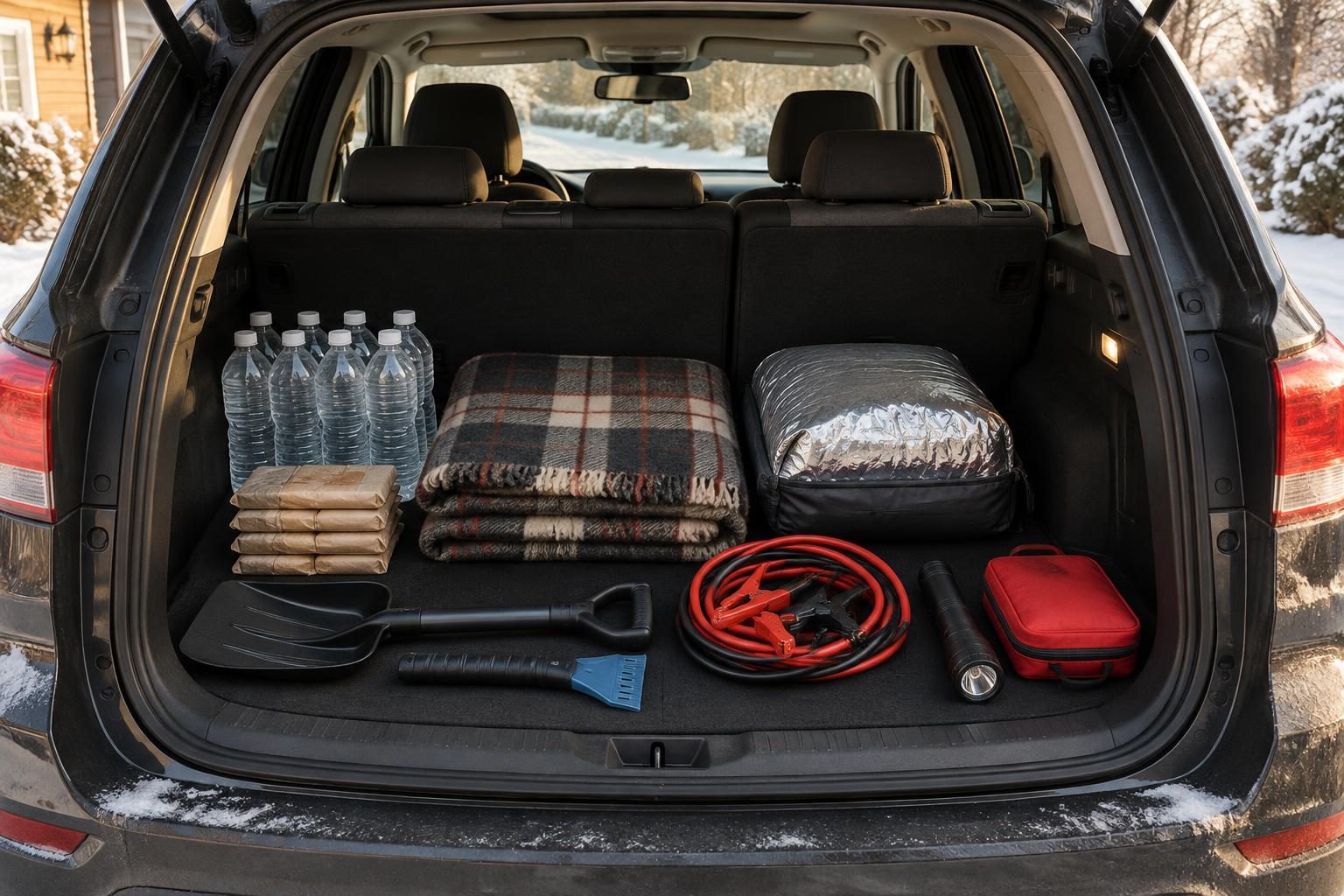
Now our car kit includes:
- Water and snacks for everyone
- An emergency sleeping bag or warm blanket for each person
- A flashlight and phone charger
- A small first-aid kit
- Hats, gloves and an extra coat
- A small shovel, an ice scraper, and sand or kitty litter for traction
- Jumper cables
- A bathroom plan. A wide-mouth bottle or a few portable toilet bags, and a blanket for privacy. It sounds silly until you need it.
And keep your gas tank at least half full all winter. A full tank keeps you warm if you get stuck, and gas stations may not be running if the power goes out.
During the storm
- Stay home if you can. Most winter storm deaths and injuries happen on the roads. FEMA's advice is simple: the best place to be is home.
- Keep warm in one room. If the heat goes out, close off rooms you're not using, roll towels against the bottom of doors, and cover windows at night. Wear loose layers, and keep eating and drinking. Your body needs fuel to make heat.
- Never heat your home with a gas stove or oven, a grill, a camp stove or anything else not made for indoor use. Carbon monoxide has no smell, and it takes lives every winter.
- Run generators outside only, at least 20 feet from doors, windows and vents, and never in a garage, even with the door open. My friend's seven generators taught all of us that keeping them dry, keeping the exhaust away from people, and keeping them fueled is real work. Plan for it.
- Keep the fridge and freezer closed. Food in the refrigerator stays safe for about 4 hours without power. A full freezer holds for about 48 hours, a half-full one about 24. Once the outage runs longer than that, refrigerated meat, milk and eggs need to go. When in doubt, throw it out, and never taste food to test it.
- Shovel carefully. Heavy snow is hard on the heart. Take breaks, push the snow when you can instead of lifting it, and don't overdo it. If you have to clear a roof, use a roof rake from the ground. I don't recommend climbing up there like I did.
- Bring pets inside.
If you get stranded in your car:
- Stay with your car. It's shelter, and it's easier for rescuers to find than a person on foot.
- Run the engine about 10 minutes each hour for heat. Keep a window cracked, and make sure the tailpipe is clear of snow so exhaust doesn't build up inside.
- Turn on the dome light at night while the engine runs so rescuers can see you.
- Tie a bright cloth to the antenna or door, and raise the hood once the snow stops.
- Move your arms and legs to keep the blood flowing.
Watch for frostbite and hypothermia
These two can sneak up on you, especially on kids and older folks.
- Frostbite: numbness, and skin that turns white or grayish-yellow and feels firm or waxy. It usually hits fingers, toes, ears, cheeks and noses first.
- Hypothermia: shivering, exhaustion, confusion, fumbling hands, memory loss, slurred speech or drowsiness. In babies, look for bright red, cold skin and very low energy.
If you see these signs, get the person somewhere warm, get wet clothes off, and get medical help right away. A body temperature below 95°F is an emergency.
After the storm
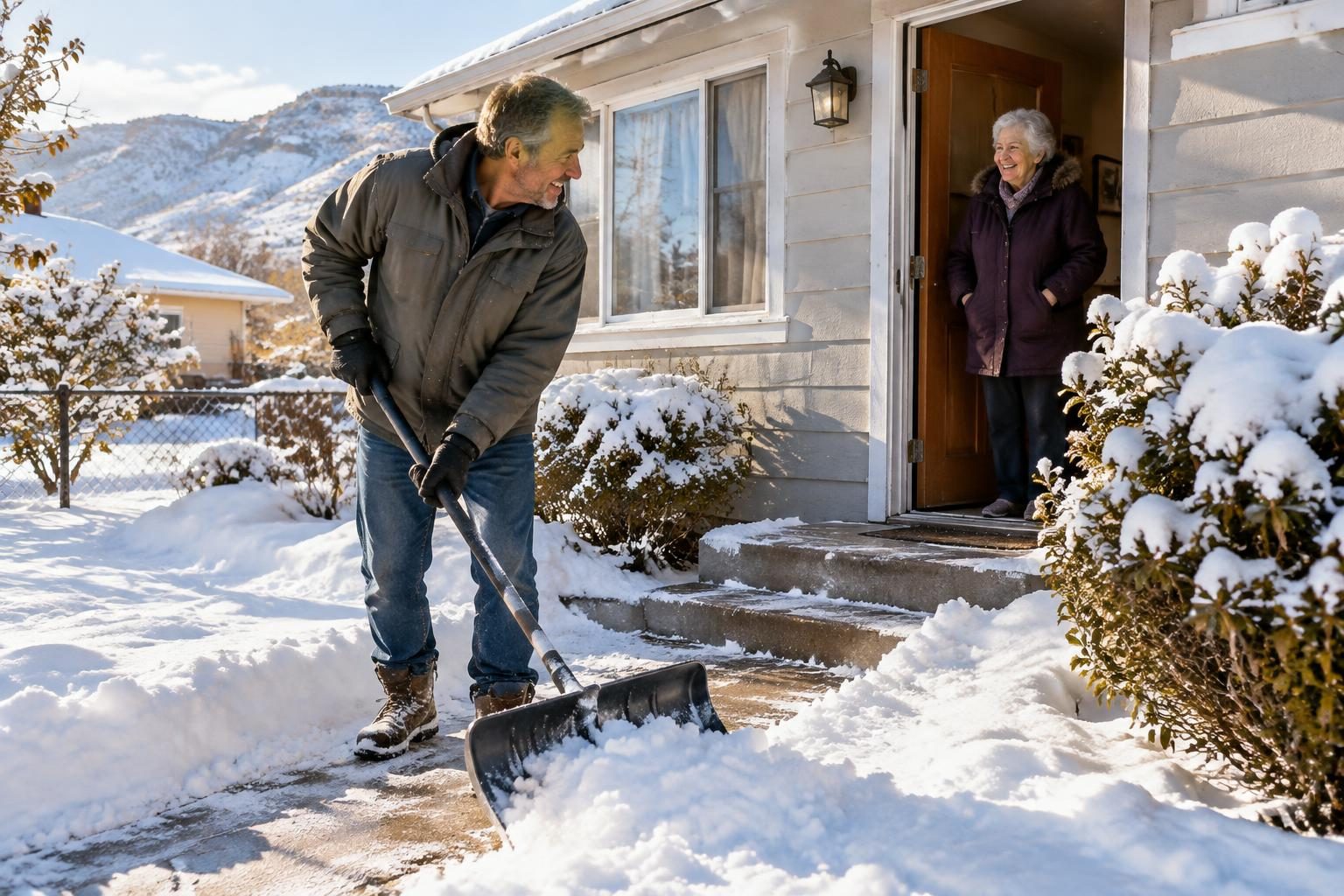
- Check on your neighbors, especially anyone older, living alone, or depending on medical equipment. This is where being prepared really pays off. When you're not scrambling for yourself, you can help someone else.
- Stay off the roads until they're cleared.
- Watch for downed power lines, and stay away from them.
- Go through your fridge and freezer before you eat anything.
- Restock what you used, so you're ready for the next one.
Printable checklist
Winter Storm Checklist
- One week of food that doesn't need cooking, plus a manual can opener
- One gallon of water per person per day
- A safe, indoor-rated way to stay warm, and fuel for it
- Carbon monoxide detectors with fresh batteries
- Flashlights, lanterns and extra batteries
- Battery or hand-crank radio
- Charged phones and power banks
- Extra blankets, hats, gloves and warm clothes
- Prescriptions refilled
- Snow shovel and ice melt or sand
- Car kit: water, snacks, blankets, flashlight, charger, first-aid kit, shovel, scraper, jumper cables, bathroom plan
- Gas tank at least half full
- Know how to shut off your water
Official sources
Everything in this guide follows the official guidance below. When in doubt, check these:
Keep going
- New to all this? Start with my Start Here page.
- My Fuel, Heat, Cooking & Light page goes deeper on staying warm and cooking without power.
- Use the Family Emergency Planner to put your own plan on paper.