
The Hidden Danger of Cooked Rice: What Every Family Should Know
By Kelly Smith ·
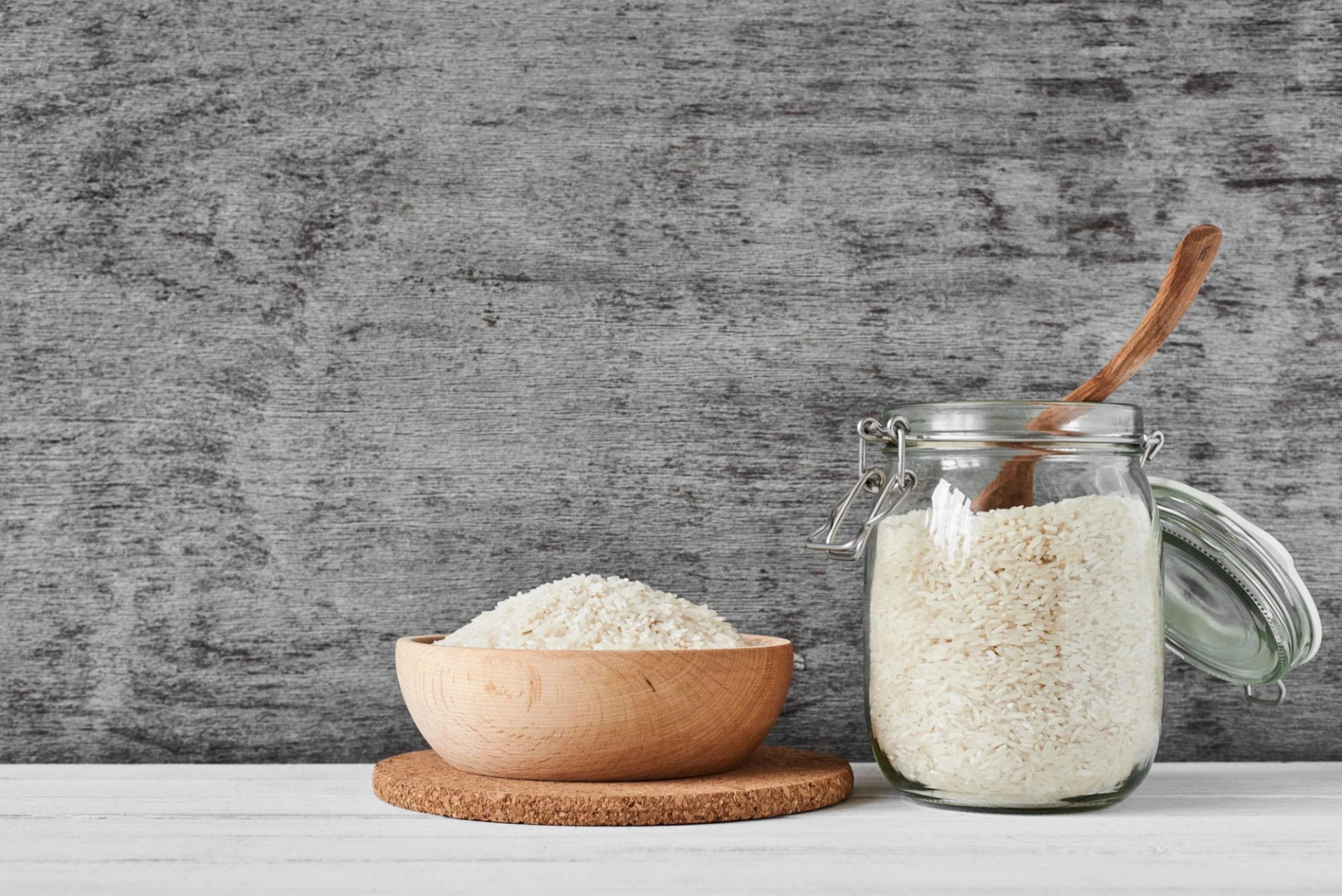
Why improperly stored rice can cause food poisoning—and how to keep your family safe, especially during an emergency.
Rice is one of the most important foods in any emergency preparedness pantry. It's inexpensive, easy to store, versatile, and capable of providing valuable calories when other food supplies are limited.
Properly packaged white rice can remain usable for decades under suitable storage conditions, making it an excellent choice for long-term food storage.
But there's something about rice that many people don't know.
Cooking rice doesn't necessarily eliminate every microorganism that could make you sick. And if cooked rice is stored improperly, reheating it may not make it safe to eat.
This doesn't mean you should stop eating leftover rice. It means you need to understand one important food safety principle.
1. The Bacteria That Can Survive Cooking
Rice can naturally contain a bacterium called Bacillus cereus (pronounced approximately "bah-SILL-us SEER-ee-us").
Unlike many other bacteria, Bacillus cereus can produce protective structures called spores. These spores can survive ordinary boiling temperatures.
Here's why that matters.
When you cook rice, the heat destroys many harmful microorganisms. However, some Bacillus cereus spores may survive.
If the cooked rice is then left sitting at room temperature, those surviving spores can germinate and begin growing into active bacteria.
Under favorable conditions, the bacteria multiply and may produce toxins that cause food poisoning.
The danger isn't simply that the spores survive cooking. The danger is allowing cooked rice to remain at temperatures where bacteria can multiply.
2. Why Reheating Rice Doesn't Always Make It Safe
You may have heard that reheating leftover rice can make someone sick.
That's partly true, but the explanation is important.
Properly refrigerated leftover rice can be reheated and eaten safely.
The problem occurs when cooked rice has been left at unsafe temperatures for too long.
Certain strains of Bacillus cereus produce a toxin called cereulide. This toxin can cause vomiting and is unusually resistant to heat.
Once sufficient toxin has formed, ordinary reheating may not destroy it.
That means you cannot necessarily rescue improperly stored rice by boiling it again, frying it, or heating it in a microwave.
This is sometimes called "fried rice syndrome", because outbreaks have been associated with cooked rice that was left unrefrigerated and later fried.
However, the same problem can occur with other starchy foods, including pasta.
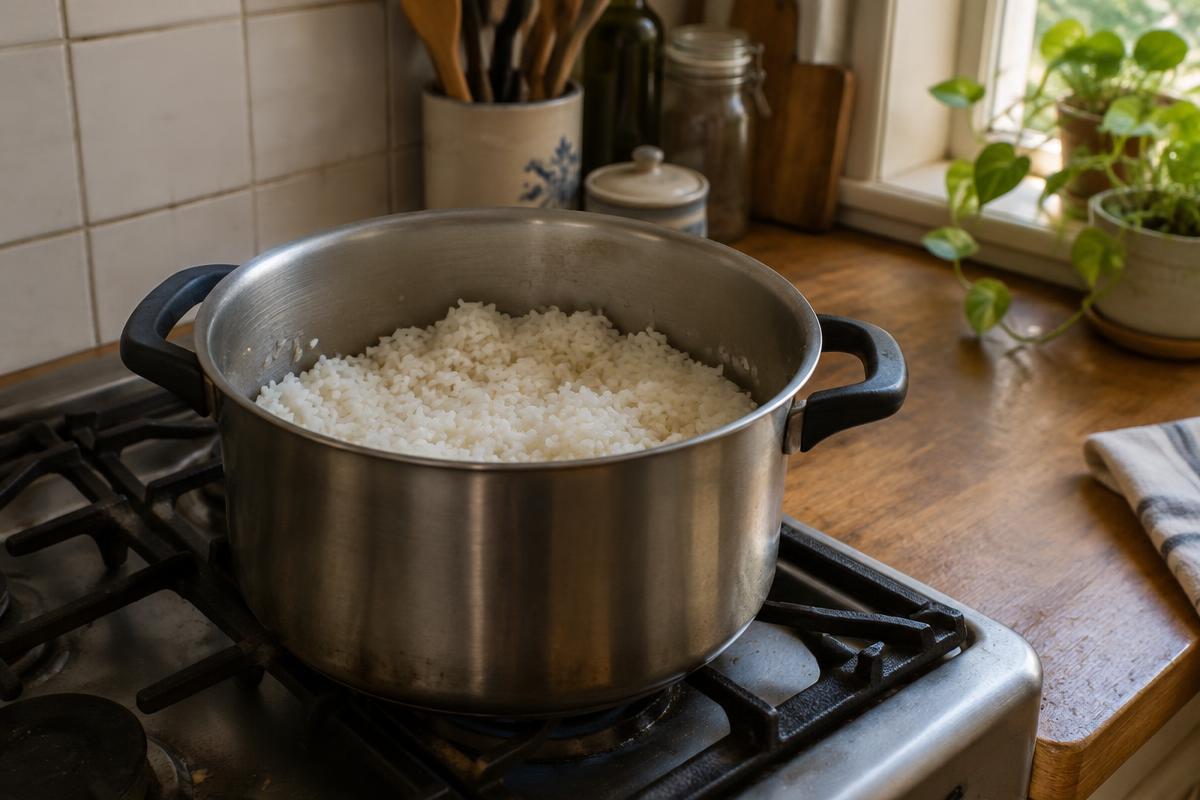
3. How Dangerous Is Rice-Related Food Poisoning?
Bacillus cereus can cause two general types of food poisoning.
The vomiting type: Symptoms commonly begin about 30 minutes to 6 hours after eating contaminated food. Nausea and vomiting are the primary symptoms.
The diarrheal type: Symptoms commonly begin about 6 to 15 hours after eating contaminated food. Abdominal cramps and watery diarrhea are typical.
Most people recover within approximately 24 hours, although illness can sometimes last longer.
Severe complications are uncommon, but serious and occasionally fatal cases have been reported.
Infants, older adults, people with weakened immune systems, and those vulnerable to dehydration deserve particular attention.
Persistent vomiting, severe dehydration, bloody diarrhea, or other severe symptoms warrant prompt medical care.
4. The Five Rules for Safely Cooking and Storing Rice
The good news is that preventing this problem is straightforward.
Rule 1: Cook Rice Thoroughly
Follow the cooking instructions for your rice, using clean water and clean cooking equipment.
Cooking destroys many microorganisms, but remember that some bacterial spores can survive.
Proper cooking is important, but proper storage afterward is just as important.
Rule 2: Cool Leftover Rice Quickly
Don't leave a large pot of cooked rice sitting on the stove or kitchen counter for hours.
If you plan to save leftovers, divide the rice into shallow containers so it cools rapidly.
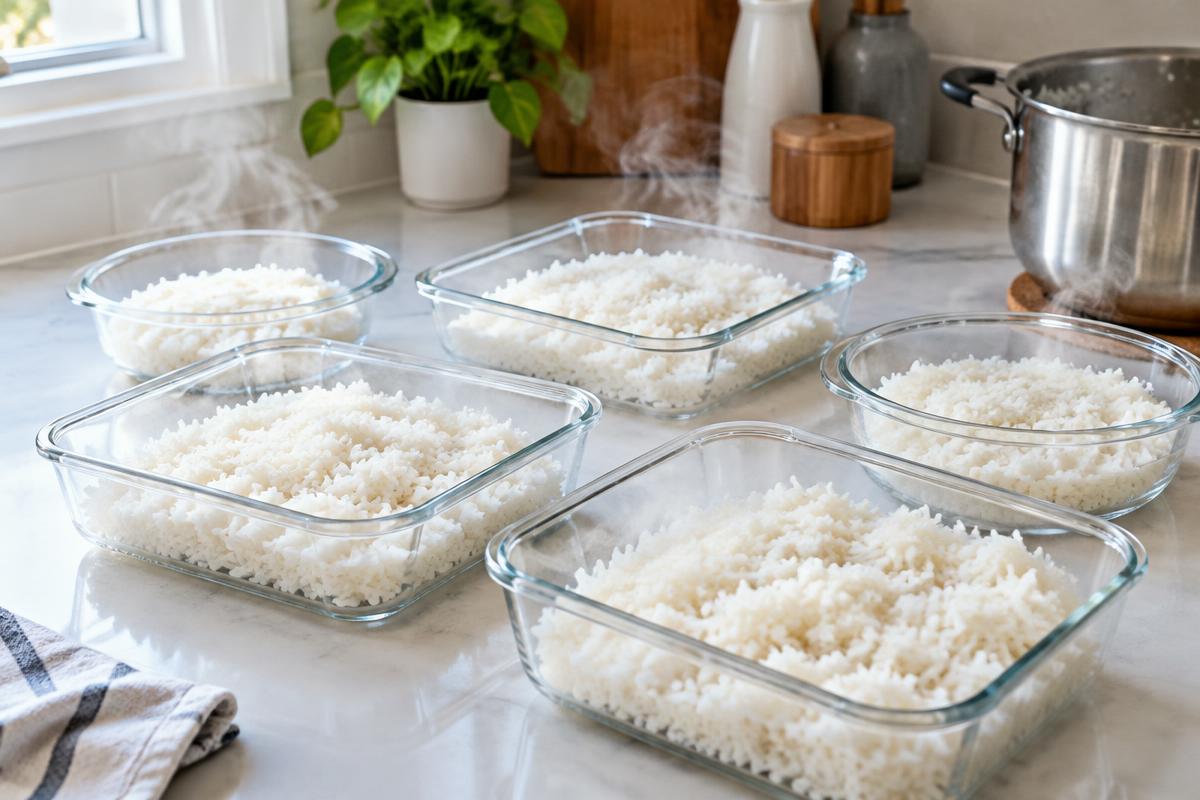
For an extra margin of safety, aim to refrigerate cooked rice within one hour.
The general USDA rule is that perishable cooked food should never remain at room temperature longer than two hours—or one hour when temperatures exceed 90°F.
Rule 3: Refrigerate at 40°F or Below
Place leftover rice in a refrigerator maintained at 40°F (4°C) or colder.
Don't wait for the rice to reach room temperature before refrigerating it. Small, shallow containers of warm rice can go directly into the refrigerator.
Rule 4: Use Refrigerated Rice Promptly
USDA guidance generally allows properly refrigerated cooked leftovers for three to four days.
However, some food safety authorities recommend eating refrigerated rice within 24 hours as an additional precaution against Bacillus cereus.
For the most conservative approach, particularly when preparing food for vulnerable family members, use refrigerated rice within 24 hours.
Freeze additional portions promptly if you need to store them longer.
Rule 5: Reheat Thoroughly
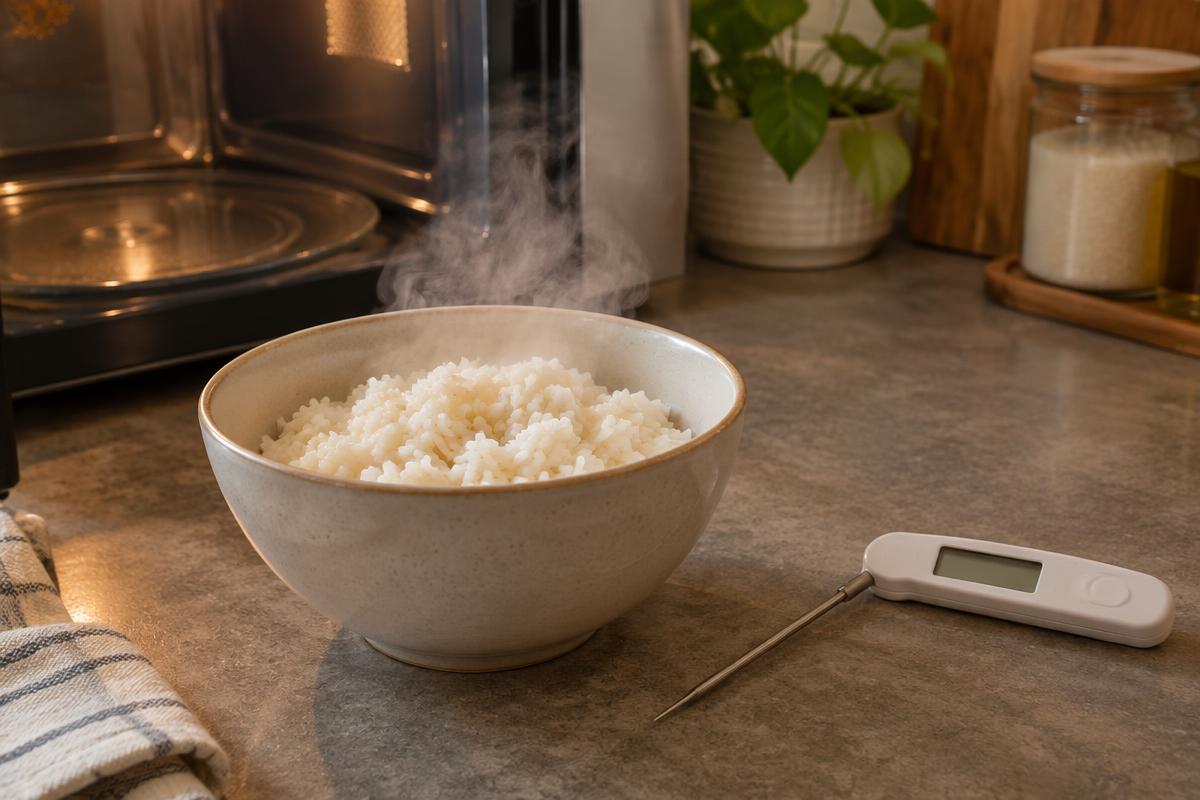
When reheating properly refrigerated rice, heat it evenly until it reaches 165°F (74°C).
Stir rice during microwave reheating to avoid cold spots.
Only reheat the portion you intend to eat, rather than repeatedly warming and cooling an entire container.
Remember: Reheating does not reliably destroy toxins that may already have formed during improper storage.
5. Why This Is Especially Important During an Emergency
Imagine a family experiencing a three-day power outage after a major earthquake.
They have plenty of rice in their emergency food storage. They use a propane camp stove outdoors to cook a large pot for dinner.
There's enough rice left over for two additional meals.
Without a functioning refrigerator, they decide to leave the remaining rice covered on the stove and reheat it the following morning.
That decision could expose the family to food poisoning.
A lid may protect the rice from dust and insects, but it does not prevent bacterial growth.
And reheating the rice the next morning may not eliminate any heat-stable toxin that developed overnight.
During an emergency, food poisoning can be especially serious because clean water, medical care, and sanitation may already be limited.
What Should You Do Instead?
When refrigeration is unavailable:
- Cook only as much rice as your family expects to eat during that meal.
- Measure dry rice carefully to avoid unnecessary leftovers.
- Eat cooked rice promptly rather than saving it at room temperature.
- Discard leftover cooked rice that cannot be cooled and maintained at a safe temperature.
- Never assume that reheating makes improperly stored rice safe.
- Use a properly iced cooler with a thermometer if you need temporary refrigeration, maintaining the food at 40°F or below.
A cooler without sufficient ice is not reliable refrigeration.
If you have access to a working freezer, you can also freeze freshly cooked rice in small portions after cooling it promptly.
6. What About Long-Term Storage of Dry Rice?
Here's the important distinction for emergency preparedness.
Dry rice and cooked rice present very different storage challenges.
Uncooked white rice, when properly packaged and protected from moisture, insects, oxygen, and excessive heat, can be stored for many years.
Under favorable long-term storage conditions, white rice may remain usable for 25–30 years.
Brown rice has a much shorter storage life because oils in its bran layer can become rancid.
The presence of dormant Bacillus cereus spores does not mean properly stored dry rice is inherently unsafe.
The principal concern develops when moisture and favorable temperatures allow surviving spores to germinate and bacteria to multiply.
That's why dry rice is an excellent emergency food, but cooked rice requires careful handling.
7. Can You Tell If Cooked Rice Has Become Dangerous?
Unfortunately, not reliably.
Rice contaminated with Bacillus cereus may look, smell, and taste perfectly normal.
There may be no visible mold, unusual odor, or obvious change in texture.
This makes time and temperature much more reliable indicators of safety than appearance.
When in doubt, throw it out.
It's better to lose a serving of rice than to risk a serious illness during an emergency.
8. A Simple Rice Safety Checklist for Your Family
Before storing or eating leftover rice, ask yourself:
- Was the rice cooked using clean water and equipment?
- Was it cooled promptly rather than left sitting at room temperature?
- Was it refrigerated at 40°F or below?
- Has it been stored for only a short, safe period?
- Will it be reheated thoroughly to 165°F?
- Has it been protected from repeated warming and cooling?
If you cannot answer these questions confidently, especially regarding cooling and refrigeration, the safest choice may be to discard the rice.
I've also put together a printable Kitchen Food Safety Chart that covers rice, beans, pasta, meat, and other common storage foods. Print it out and keep it in your pantry or on the fridge.
Final Thoughts: A Small Precaution That Can Prevent a Serious Problem
Rice deserves a place in nearly every family's emergency food storage plan.
It's economical, nutritious when combined with other foods, easy to prepare, and capable of providing essential energy during difficult times.
But long-term food storage isn't just about having enough food.
It's also about knowing how to prepare, handle, and preserve that food safely.
A family can have hundreds of pounds of rice in storage and still face an unnecessary health emergency if they don't understand what happens after rice is cooked.
The lesson is simple:
Store dry rice for the long term. Cook only what you need when refrigeration isn't available. Refrigerate leftovers promptly when it is. And never rely on reheating to rescue rice that has been stored improperly.
Preparedness means more than surviving the emergency itself. It means avoiding preventable problems that could make an already difficult situation worse.
A Closing Thought
There's a verse in the Doctrine and Covenants, a book of scripture used by The Church of Jesus Christ of Latter-day Saints, that says, "If ye are prepared ye shall not fear" (D&C 38:30). I've thought about that verse a lot over the years, and I've come to believe that preparation is about more than having things. It's about knowing what to do with them.
A bucket of rice on the shelf is a good start. But real preparation is the knowledge that keeps that rice safe to eat, the judgment to cook only what you need, and the discipline to care for what you've been given. I believe God expects us to be wise stewards, not just well-stocked ones. When we pair our supplies with knowledge, and our knowledge with faith, we can face hard times with calm instead of fear. That's the kind of preparedness I want for my family, and for yours.
References and Further Reading
- U.S. Food and Drug Administration (FDA) — Bad Bug Book: Bacillus cereus and Other Bacillus spp.
https://www.fda.gov/food/foodborne-pathogens/bad-bug-book-second-edition - USDA Food Safety and Inspection Service — Leftovers and Food Safety
https://www.fsis.usda.gov/food-safety/safe-food-handling-and-preparation/food-safety-basics/leftovers-and-food-safety - FoodSafety.gov — Cold Food Storage Chart
https://www.foodsafety.gov/food-safety-charts/cold-food-storage-charts - UK Food Standards Agency — Home Food Fact Checker: Rice
https://www.food.gov.uk/safety-hygiene/home-food-fact-checker - The Church of Jesus Christ of Latter-day Saints — Food Storage
https://www.churchofjesuschrist.org/study/manual/gospel-topics/food-storage?lang=eng
Related articles
Food Storage
Three-Month Supply vs. Long-Term Storage: What's the Difference?
There are two kinds of food storage, and they do different jobs. One you eat every week. The other can last thirty years. Neither one should just sit there.
Read “Three-Month Supply vs. Long-Term Storage: What's the Difference?”Food Storage
How Much Food Storage Do I Need? Let the Calculator Do the Math
Figuring out how much wheat, rice, and beans your family needs can feel overwhelming. I built a free calculator that does the math for you, down to the cost.
Read “How Much Food Storage Do I Need? Let the Calculator Do the Math”Spiritual Preparation
The Thirty-Year-Old Beans I Almost Threw Away
I almost threw away a case of thirty-year-old beans. Here's why my book on Bible prophecy has a whole chapter on food storage, water, and getting out of debt.
Read “The Thirty-Year-Old Beans I Almost Threw Away”