

Disaster Guide
Power Outages: How to Keep Your Family Safe When the Lights Go Out
Most outages are over in an hour. Some last a week. Here's how to be ready for the long ones, using official guidance and a few lessons from northern Nevada.
A week without power
When a big storm hit Sparks in 2021, a lot of people around here were without power for about a week. A friend of mine who owns a farm ran seven generators for two weeks to keep his animals alive. I tell that whole story in my Winter Storms guide.
What struck me most that week wasn't the cold. It was how many things quit working that people never think of as electric. The furnace, even a gas one, needs power for its fan and controls. The refrigerator and freezer start warming up. Anyone on a well loses their water, because the pump runs on electricity. The garage door won't open. The gas station can't pump gas, and the store can't take a credit card. A phone lasts a day or two, and then it's dead too.
Power outages can happen any time of year. Winter storms bring down lines. Summer heat overloads the grid. And here in the West, utilities sometimes shut the power off on purpose during high winds to keep a downed line from starting a wildfire. You usually get a little warning for those, but not always.
Before the power goes out
Light and information
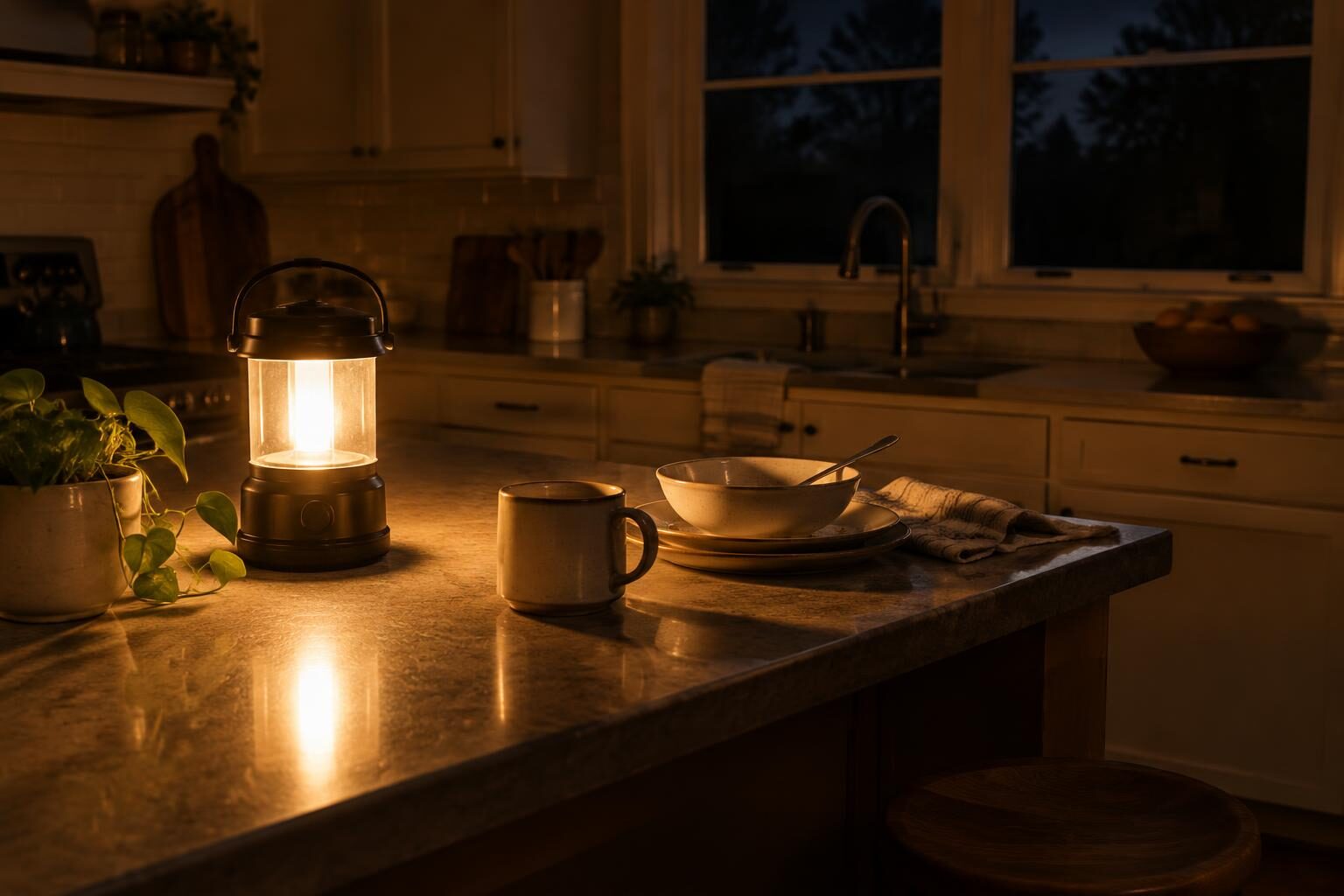
- Keep flashlights and battery lanterns where you can find them in the dark, with extra batteries. Skip candles. They cause too many house fires.
- Have a battery or hand-crank radio so you can hear what's happening when the phone and internet are down.
- Keep a few power banks charged, and charge everything when you hear a storm or shutoff is coming.
Backup power
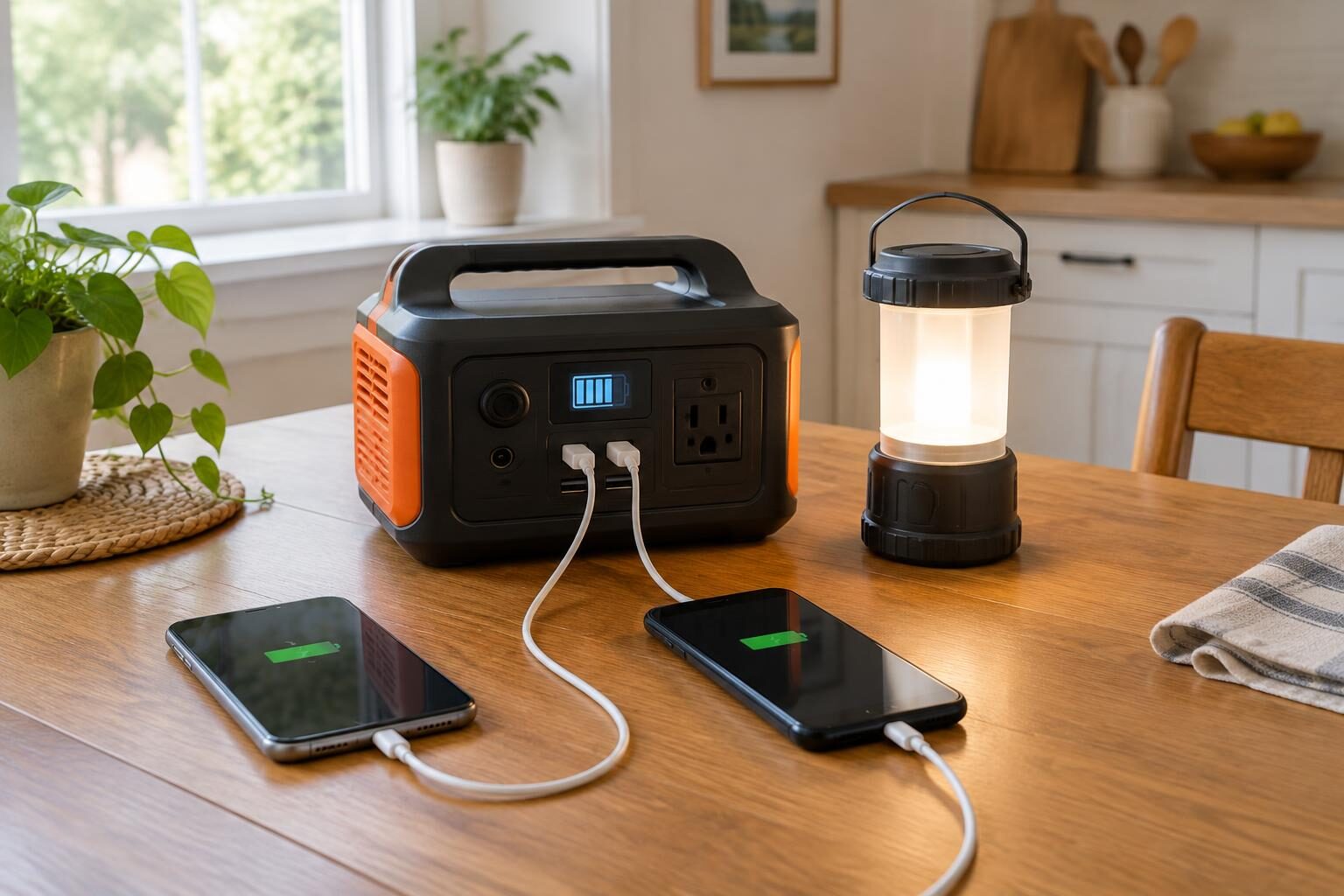
A small solar generator is the easiest place to start. I own a Grid Doctor 300 and use it all the time, mostly camping. In an outage it keeps phones charged, lights on and a radio going, and many people use one like it to run a CPAP machine through the night. It's quiet, it's safe indoors, and there's no fuel to store.
If you want to run bigger things like a refrigerator, freezer or well pump, you're looking at a larger solar generator or a gas generator. If you go the gas route, decide ahead of time what you'll run, because you probably can't run everything at once. Store fuel safely, and have a plan for keeping it out of the weather and well away from the house.
Medical needs
If anyone in your home depends on oxygen, a CPAP, a power wheelchair, a nebulizer or any other device that plugs in, talk to their doctor now about how you'll power it and how long its batteries last. Ask how to keep refrigerated medicine like insulin cold. Many utilities let you register a household member who depends on medical equipment so they know to check on you. Call yours and ask.
Food
- Put a thermometer in your fridge and freezer so you can tell whether food is still safe.
- Keep some ice or frozen water jugs in the freezer. They help keep it cold longer, and they become drinking water when they thaw.
- Keep a week of food that needs no refrigeration and no cooking.
Safety
- Put carbon monoxide alarms with battery backup on every level of your home and near the bedrooms.
- Learn the signs of carbon monoxide poisoning. They look a lot like the flu: headache, dizziness, weakness, upset stomach, confusion.
- Learn how to open your garage door by hand. There's a release cord on the opener track.
Everything else
- Keep some cash in small bills at home.
- Keep your car's gas tank at least half full, especially before bad weather.
- If you're on a well, store extra water. One gallon per person per day is the minimum.
- Write down important phone numbers on paper. Your phone won't always be there to remember them for you.
During an outage
- Report it. Call your utility or check their outage map from your phone. Don't assume someone else already did.
- Keep the fridge and freezer closed. Food in a closed refrigerator stays cold for about 4 hours. A full freezer holds about 48 hours, a half-full one about 24. Don't put food outside in the snow, either. Animals get into it, and the sun can warm it up faster than you'd think.
- Unplug electronics and appliances. When the power comes back, it can come back with a surge. Leave one lamp switched on so you know when it's back.
- Use flashlights and lanterns, not candles.
- Never use a gas stove or oven, grill, camp stove or clothes dryer to heat your home. Run generators, camp stoves and charcoal grills only outside, at least 20 feet from windows, doors and vents. Never run a car or generator in the garage, even with the door open.
- Stay warm or stay cool. In winter, gather in one room, close off the rest, and use an indoor-rated heater like my VESTA with a carbon monoxide alarm nearby. In summer heat, stay low in the house, drink plenty of water, wet your skin, and go somewhere with air conditioning during the hottest part of the day if you need to.
- Watch the water. If your city issues a boil-water notice, follow it, or use your stored water.
- Stay away from downed lines. Treat every downed wire as live. Call 911 and the utility.
After the power comes back
- Go through the food. Throw out any refrigerated food that's been above 40°F for more than 4 hours, and anything that looks, smells or feels off. Never taste it to check. Frozen food that still has ice crystals or is at 40°F or below can be refrozen.
- Check your medicine. If refrigerated medicine was without power for a day or more, replace it unless the label says it's okay. Call your pharmacist if you're not sure.
- Plug things back in slowly, a few at a time.
- Check on your neighbors, especially anyone older, living alone, or depending on medical equipment.
- Restock. Replace the batteries, fuel and food you used, and recharge your power banks and generator so you're ready for the next one.
Printable checklist
Power Outage Checklist
- Flashlights and battery lanterns, with extra batteries
- Battery or hand-crank radio
- Charged power banks, and a backup way to charge them
- A plan for any medical device or refrigerated medicine
- Carbon monoxide alarms with battery backup on every level
- Thermometers in the fridge and freezer
- Frozen water jugs in the freezer
- One week of food that needs no refrigeration or cooking, and a manual can opener
- Water: one gallon per person per day (more if you're on a well)
- An indoor-rated way to stay warm, and a plan to stay cool
- Cash in small bills
- Gas tank at least half full
- Important phone numbers on paper
- Know how to open the garage door by hand
- Your utility's outage number and website
Official sources
Everything in this guide follows the official guidance below. When in doubt, check these:
Keep going
- New to all this? Start with my Start Here page.
- Read my Winter Storms guide for staying warm and safe in the snow.
- My Fuel, Heat, Cooking & Light page goes deeper on cooking and heating without power.
- Use the Family Emergency Planner to put your own plan on paper.