Disaster Guide
Extreme Heat: Staying Safe When the Desert Turns Up the Temperature
Heat kills more people in the United States than any other kind of weather. Here's how to keep your family cool and safe, especially when the power goes out in the middle of a heat wave.
A dry heat is still heat
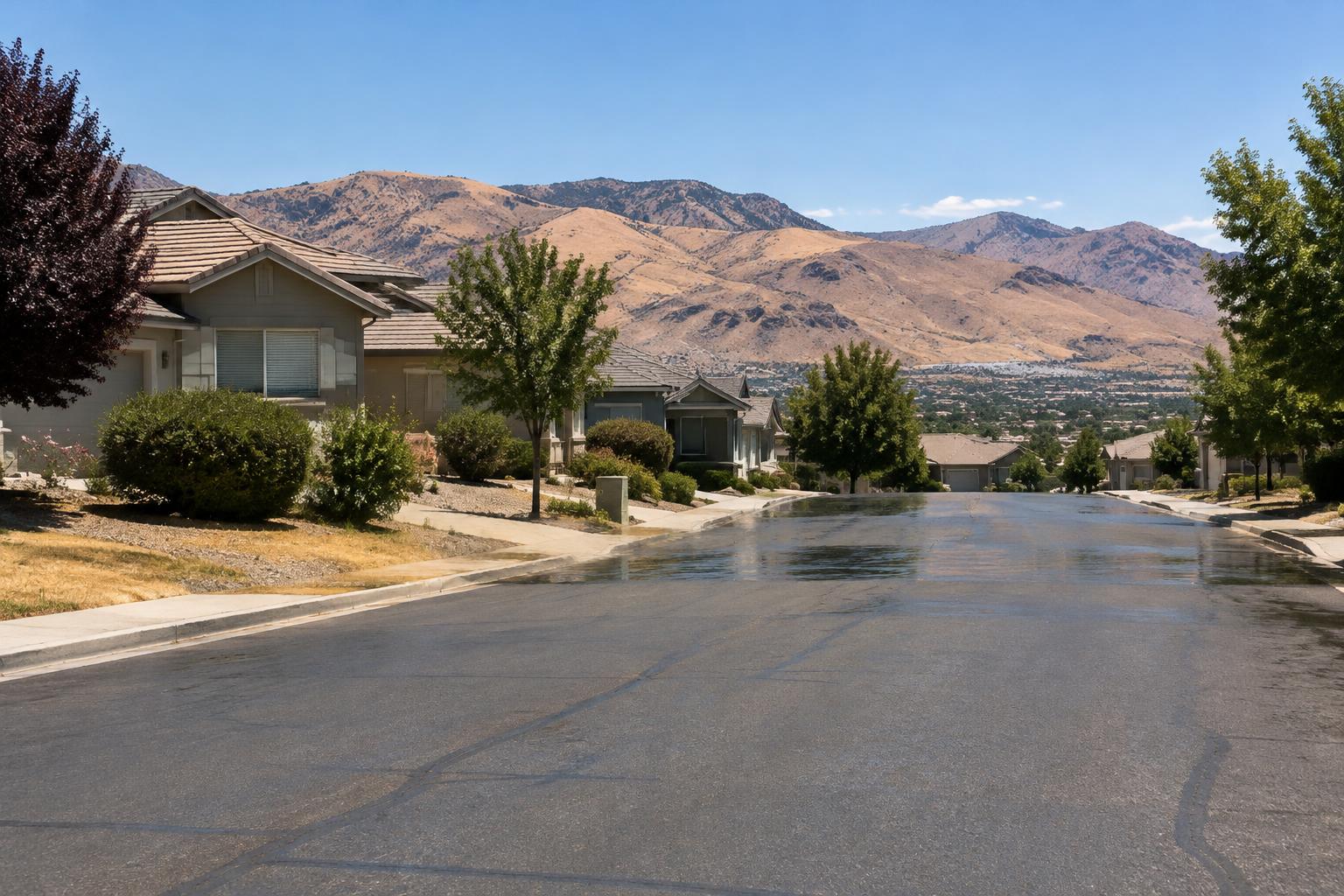
A lot of people picture Nevada as one big flat desert, like what they've seen of Las Vegas. It isn't. Nevada is one of the most mountainous states in the country, with more than 300 named mountain ranges by most counts. Most of the state sits above 4,000 feet, and here in Reno we're around 4,500. It's also the driest state in the nation. In summer, humidity of 6 to 15 percent is common, and I've seen it as low as 3.
That combination does strange things. Even on a 100-degree day at the water park, you can come off a slide, stand in line in the breeze, and get cold, because the water evaporates off you so fast. When our family went to Florida, we were shocked that getting out of the pool didn't cool you off at all.
That dry air is exactly what makes our heat sneaky. Your sweat dries so fast you may not notice how much water you're losing. By the time you feel thirsty, you're already behind. So out here, you need to drink more than you would in a humid place.
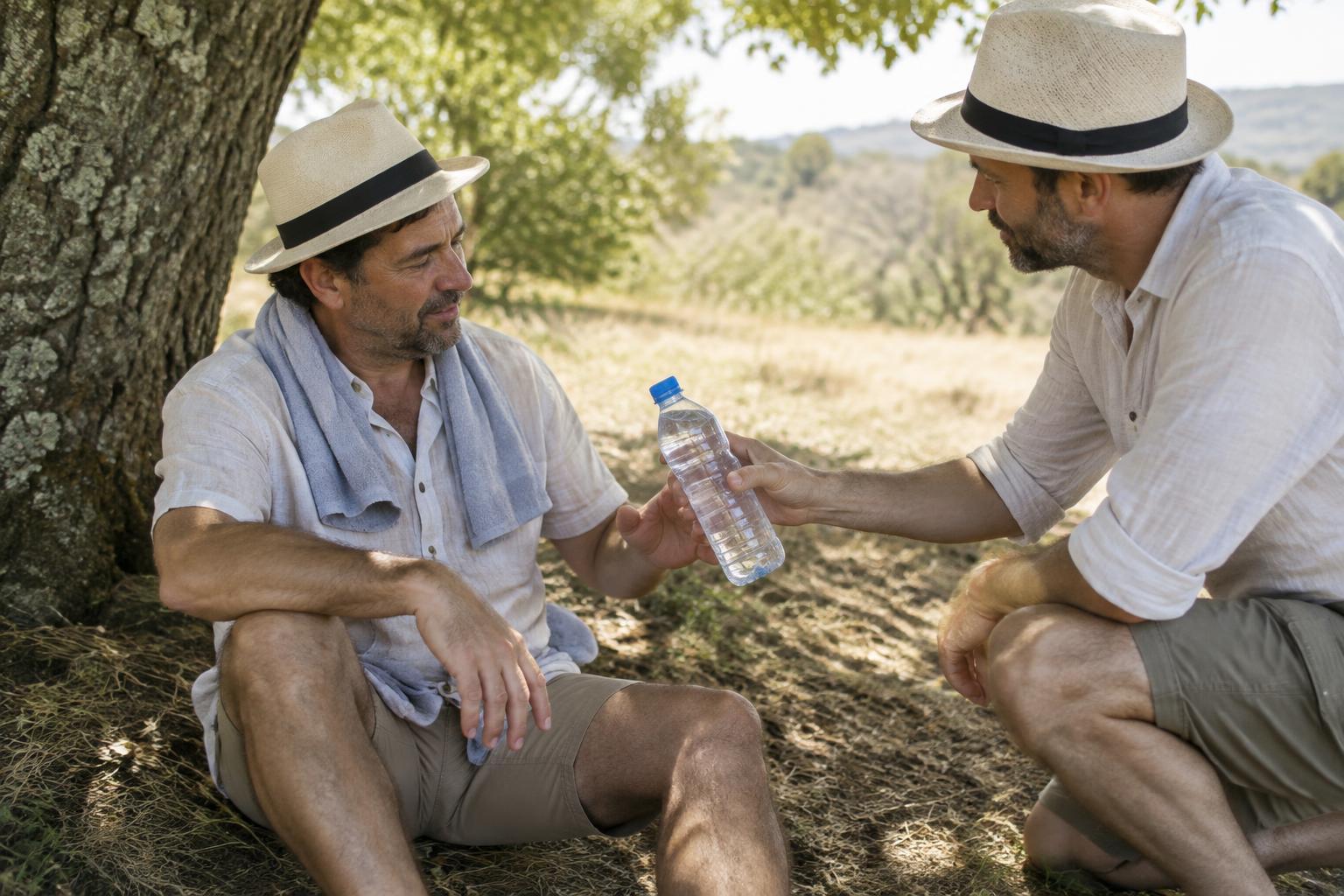
I learned that young. I was playing with my cousins in Yerington one summer when it was about 106 degrees. All of a sudden I knew something was wrong, and then I fainted. The next thing I remember, my grandparents were fanning my face, wiping my head with wet towels and giving me sips of water.
Years later, I learned a second lesson. I was backpacking with the young men in the Ruby Mountains on a hot summer day, up around 9,000 or 10,000 feet. I started feeling foggy and couldn't think straight. I kept having to sit down. I thought I was drinking plenty of water, and the men with me were getting worried. Then I ate something, and it hit me: it was a grueling hike, and I hadn't been eating enough to keep up. Water matters, but your body needs food and salt too, especially when you're working hard in the heat.
Altitude adds one more thing. The air is thinner up here, so the sun is stronger. People get badly sunburned in Reno, and up at Lake Tahoe, above 6,000 feet, it can happen surprisingly fast.
We get our share of days over 100 degrees, and a heat wave can sit on us for a week or more. Add a power outage, a broken air conditioner, or a wildfire that forces you to keep the windows shut, and a hot day can turn dangerous fast.
Who's most at risk
Anyone can get sick from the heat, but some people get hit harder and faster:
- Babies and young children
- Older adults, especially those living alone
- People with heart disease, high blood pressure, diabetes or other chronic illness
- People who take certain medications. Ask your doctor or pharmacist if yours affect how your body handles heat.
- People who work or exercise outside
- Pets
If someone you love fits one of these, plan to check on them every day during a heat wave.
Before the heat
- Know the warnings. A Heat Advisory means it's going to be hot enough to make people sick. An Extreme Heat Warning means dangerous heat is coming, so take it seriously.
- Get your cooling checked before summer. Have the AC or swamp cooler serviced in the spring, not in July when everyone else is calling.
- Keep the heat out. Close blinds and curtains on sunny windows during the day. Reflective window film and shades help a lot.
- Have a plan for a power outage. If the power goes out in a heat wave, where will you go? Know where your nearest cooling center, library or air-conditioned public place is.
- Store extra water. You'll drink more in the heat, and so will your pets. Plan on more than the usual one gallon per person per day.
- Battery-powered fans and a solar generator can keep a fan running and phones charged when the power is out.
During a heat wave
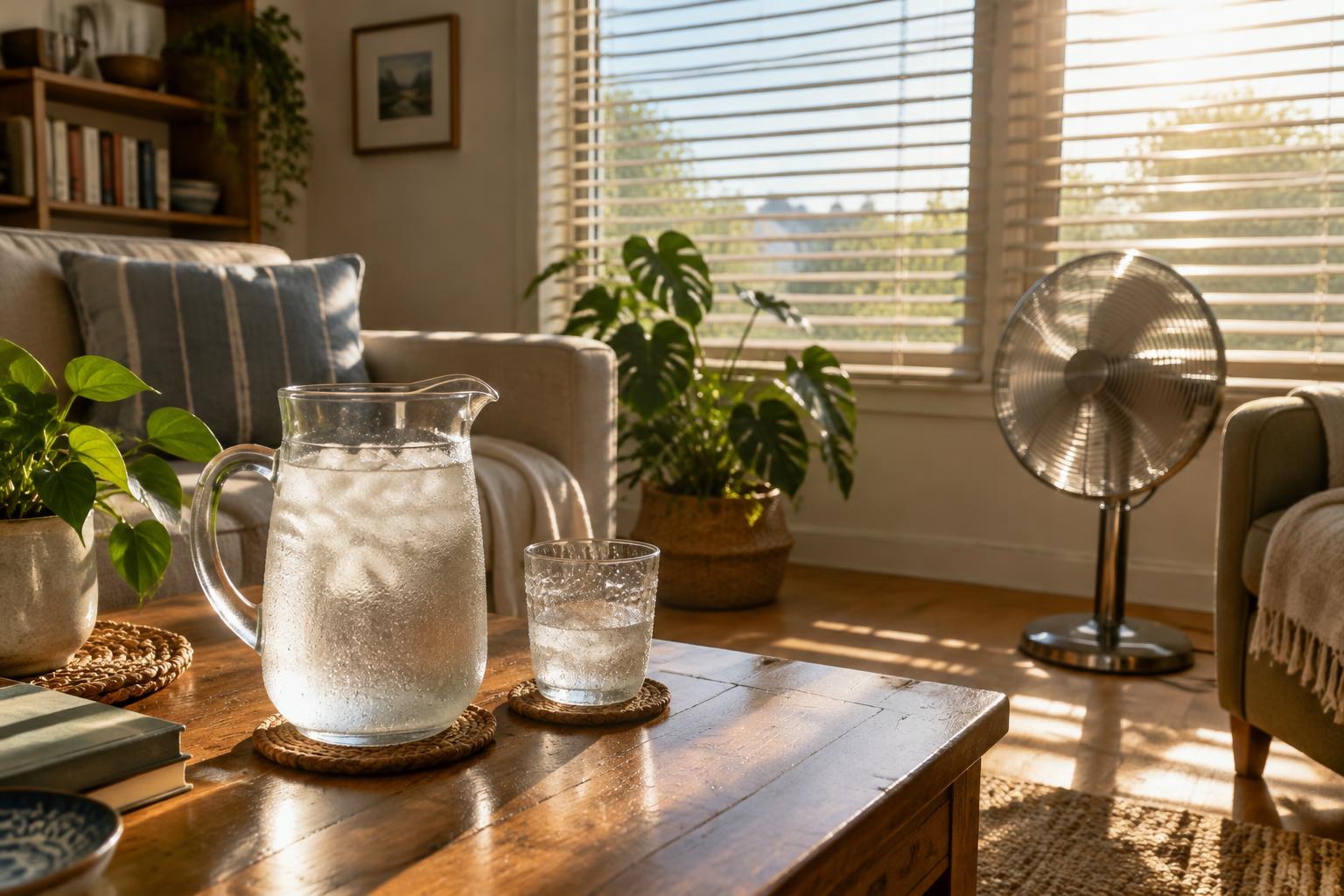
- Drink water before you're thirsty. Skip sugary drinks and alcohol.
- Eat, too. If you're working or hiking in the heat, keep eating regular meals and snacks, and replace the salt you sweat out.
- Wear sunscreen and a hat, and remember the sun is stronger at altitude.
- Stay inside during the hottest part of the day, usually from late morning through late afternoon.
- Wear light, loose, light-colored clothing.
- Cool your body down. Take cool showers, put a wet cloth on your neck, and keep your feet in cool water.
- Never leave a child, an older person or a pet in a parked car, not even for a minute. A car can heat up dangerously fast, even with the windows cracked.
- Check on your neighbors, especially anyone older or living alone.
- Take care of your pets. Give them shade and plenty of water, and walk them early in the morning. Hot pavement can burn their paws.
Know the signs
Heat exhaustion is the warning sign:
- Heavy sweating
- Cold, pale, clammy skin
- A fast, weak pulse
- Nausea or vomiting
- Muscle cramps
- Tiredness, weakness, dizziness, headache
- Fainting
What to do: Move the person somewhere cool, loosen their clothes, put cool wet cloths on them, and give sips of water. Get medical help if they're throwing up, if it gets worse, or if it lasts more than an hour.
Heat stroke is a medical emergency:
- A body temperature of 103°F or higher
- Hot, red, dry or damp skin
- A fast, strong pulse
- Headache, dizziness, nausea
- Confusion
- Passing out
What to do: Call 911 right away. Move the person somewhere cooler and cool them down with cool cloths or a cool bath while you wait. Don't give them anything to drink.
Printable checklist
Extreme Heat Checklist
- AC or swamp cooler serviced before summer
- Blinds, curtains or shades for sunny windows
- Extra water for everyone, including pets
- Battery-powered fans and a way to charge them
- Know your nearest cooling center or air-conditioned public place
- A plan for checking on older family and neighbors every day
- Know the signs of heat exhaustion and heat stroke
- Never leave kids, older adults or pets in a parked car
- Shade and water for pets
- Snacks and something salty when working or hiking in the heat
- Sunscreen and a wide-brimmed hat
Official sources
Everything in this guide follows the official guidance below. When in doubt, check these:
Keep going
- New to all this? Start with my Start Here page.
- My Power Outages guide covers staying safe when the power goes out.
- My Water Storage page shows how to keep enough drinking water on hand.
- Use the Family Emergency Planner to put your own plan on paper.