
Disaster Guide
Wildfire and Smoke: Living in Fire Country
In northern Nevada, it's not a question of whether there will be fire nearby. It's when. Here's how to protect your home, your lungs and your family, and how to be ready to leave fast.
A memory that burned
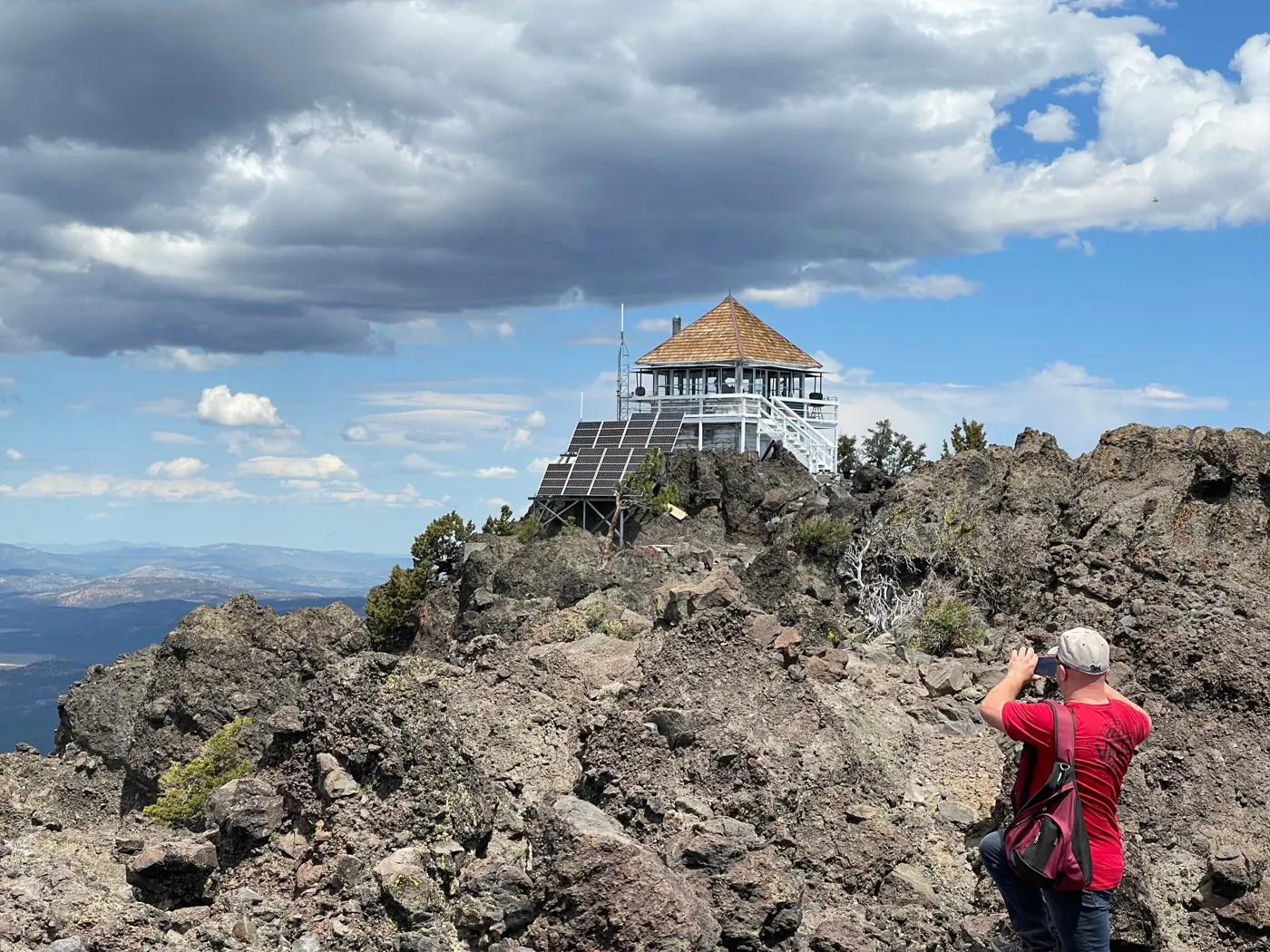
A few summers ago, we took about sixty young men up to a friend's property near Frenchman Lake for three or four days. It was one of those trips everybody remembers. We rode ATVs, took boats out on the lake, hiked, shot bows and arrows, and sat around the fire at night. We hiked up to the Dixie Mountain lookout, and on that clear day you could see for hundreds of miles. The weather was beautiful.
Two weeks later, a wildfire came through and burned his property. His cabins were gone. A few trees survived, and so did one fire-resistant shed. That was about it.
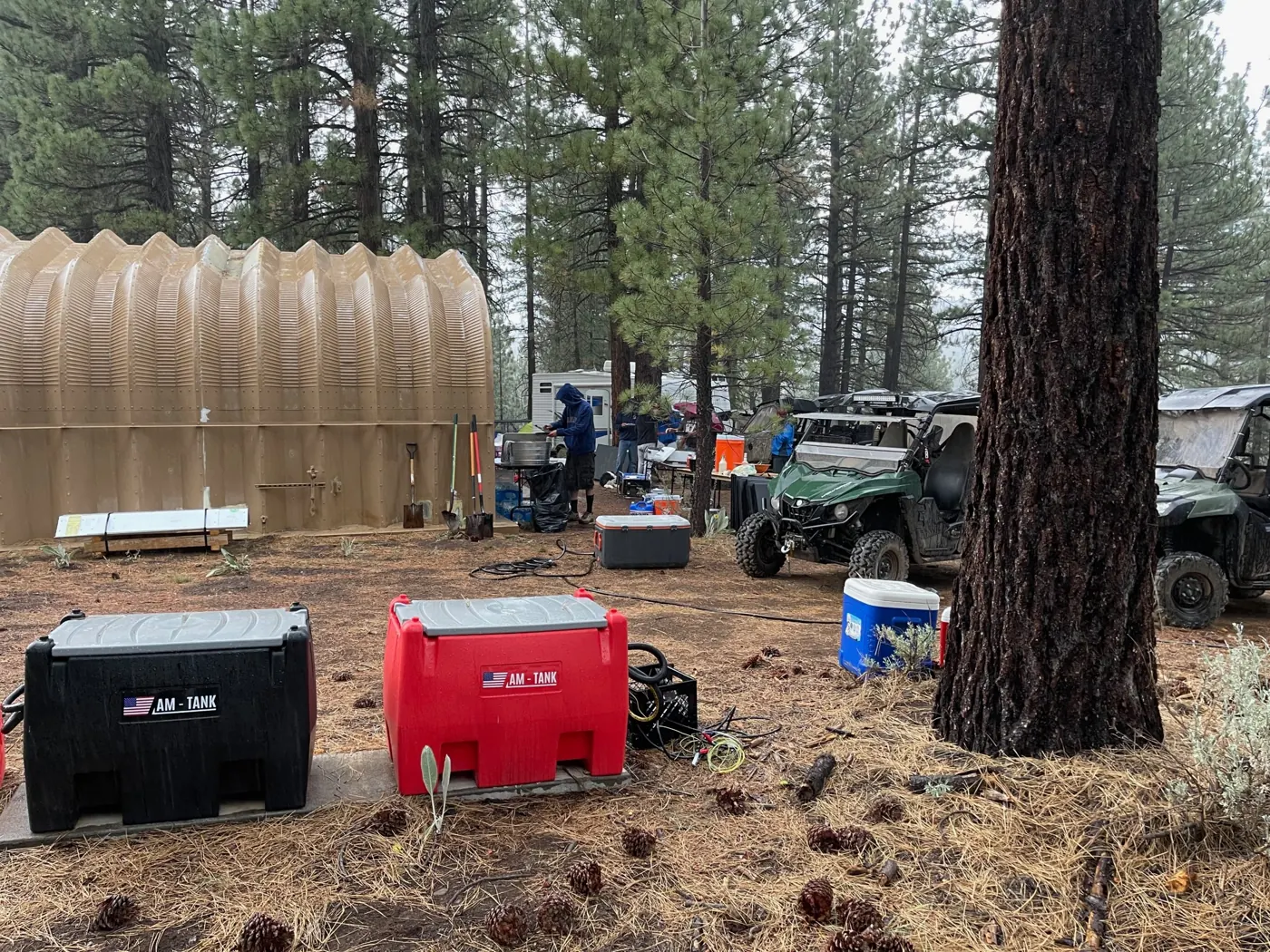
We went back up later to help him clean up. Some of those burned trees became the logs for new cabins and a great outdoor cooking area. He has solar power and his own well, and he's poured water and work into that land ever since. The green is coming back. He has spent thousands of hours rebuilding.
That same summer, the Dixie Fire became the largest single wildfire in California history, and its smoke settled over Reno and Sparks for weeks. Many days you couldn't see the mountains, and you could taste the air.
Fire comes to town
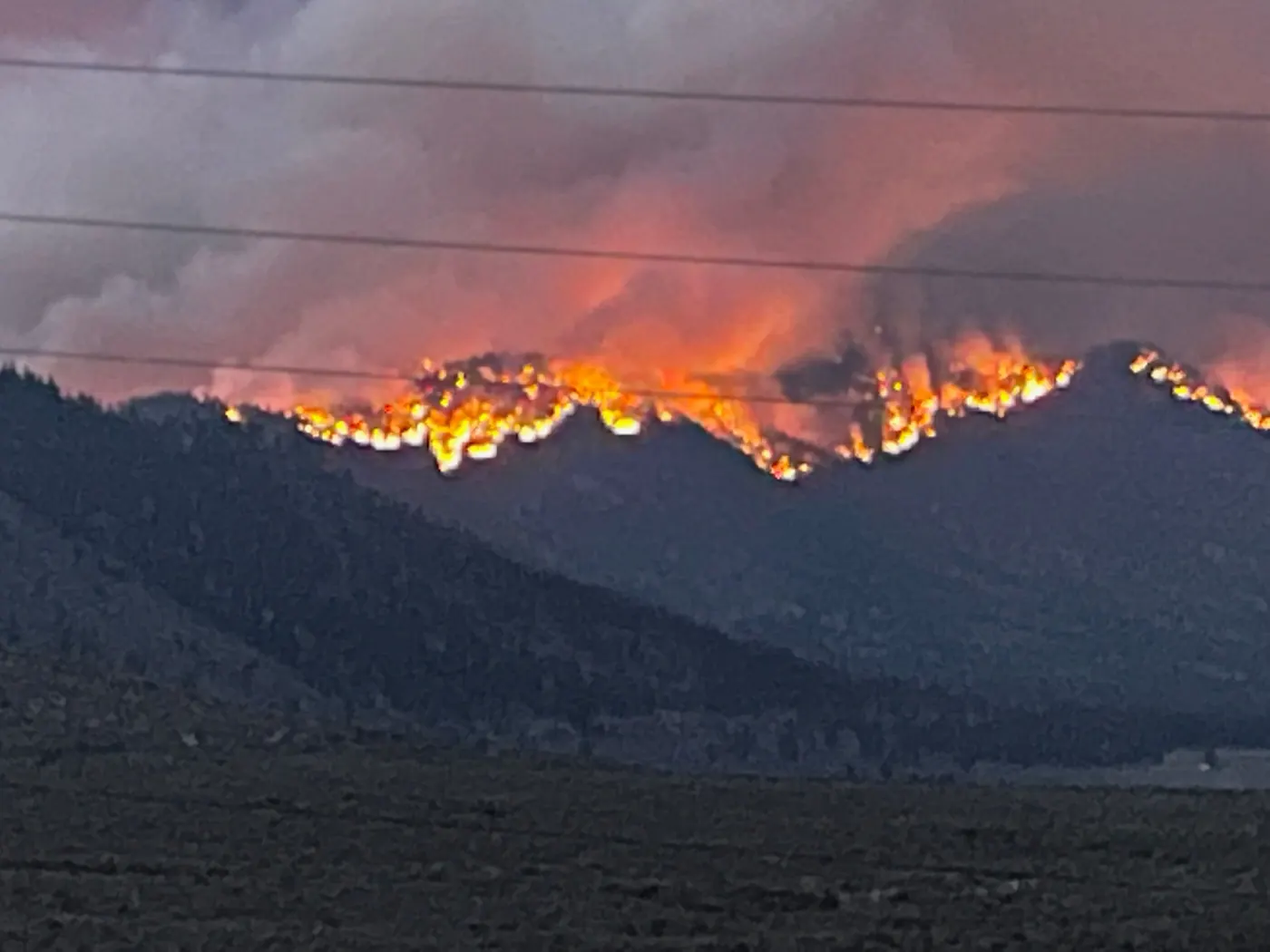
This summer, fire came right to the edge of Reno. Several wildfires burned around town, and the Hawk Fire in August started in the Peavine area on the northwest side of Reno. Tens of thousands of people were told to evacuate, and dozens of homes were lost across the Reno-area fires. Officials said the Hawk Fire was human-caused and are still investigating how it started.
On one of those days, I filmed the Hawk Fire burning on the hills behind the Reno Temple. Thankfully it never got near the temple. But it was a sobering thing to watch.
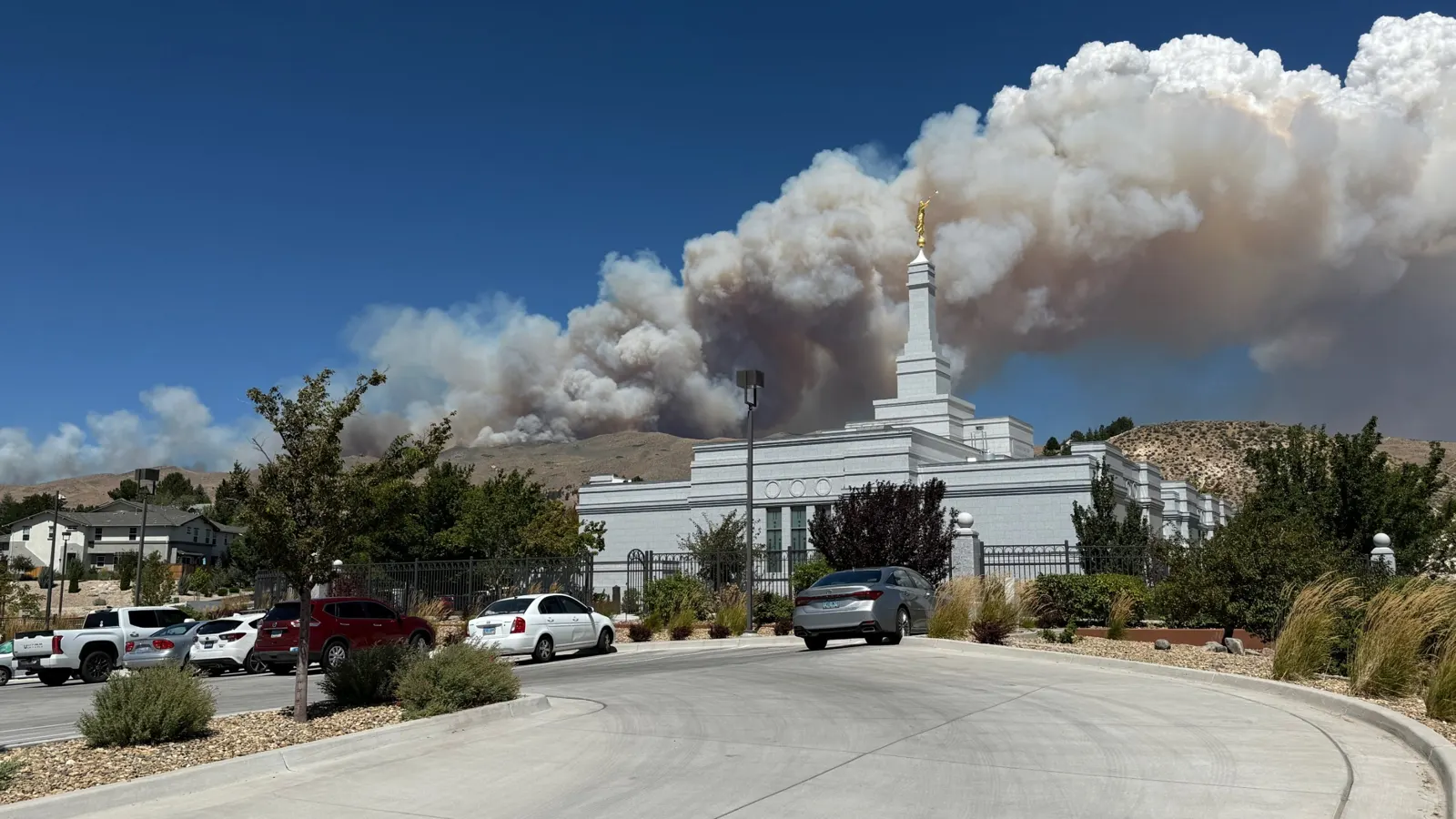
Social media made it look like the whole city was burning. It wasn't. But for the families who lost their homes, it was everything.
Our landscape is built to burn. Sagebrush and dry brush catch fast, and cheatgrass, an invasive grass that now covers huge parts of Nevada, dries out early in the summer and grows back quickly after a fire. Once a small fire starts on a windy afternoon, it can run for miles.
Before a fire: protect your home
Most homes that burn in wildfires are lit by embers, little burning pieces blown far ahead of the fire, not by the wall of flames itself. The goal is to give embers nothing to catch.
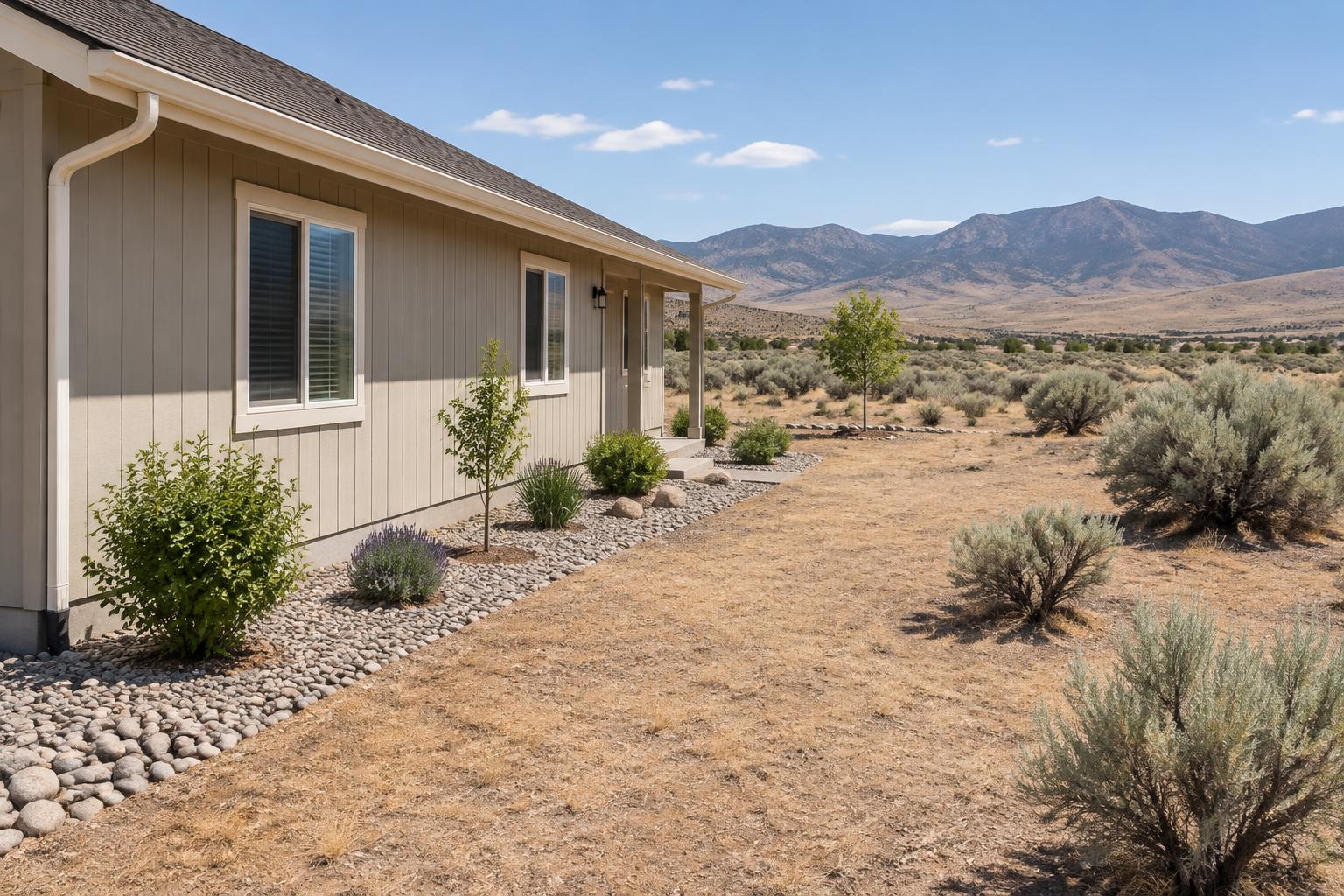
The first 5 feet around your house matter most.
- Keep anything that burns away from the house: bark mulch, dry plants, firewood, lawn furniture cushions, trash cans.
- Use rock, gravel or bare dirt right next to the walls.
- Clean pine needles and leaves off your roof and out of your gutters.
- Cover attic and crawl-space vents with fine metal mesh (1/8 inch) to keep embers out.
- Store firewood at least 30 feet from the house, never stacked against it or under the deck.
Out to 30 feet: keep grass mowed short, space out trees and shrubs, trim tree branches up off the ground, and remove dead plants and cheatgrass.
Out to 100 feet (if your lot goes that far): thin out brush and keep dry grass cut down.
Before a fire: get ready to leave
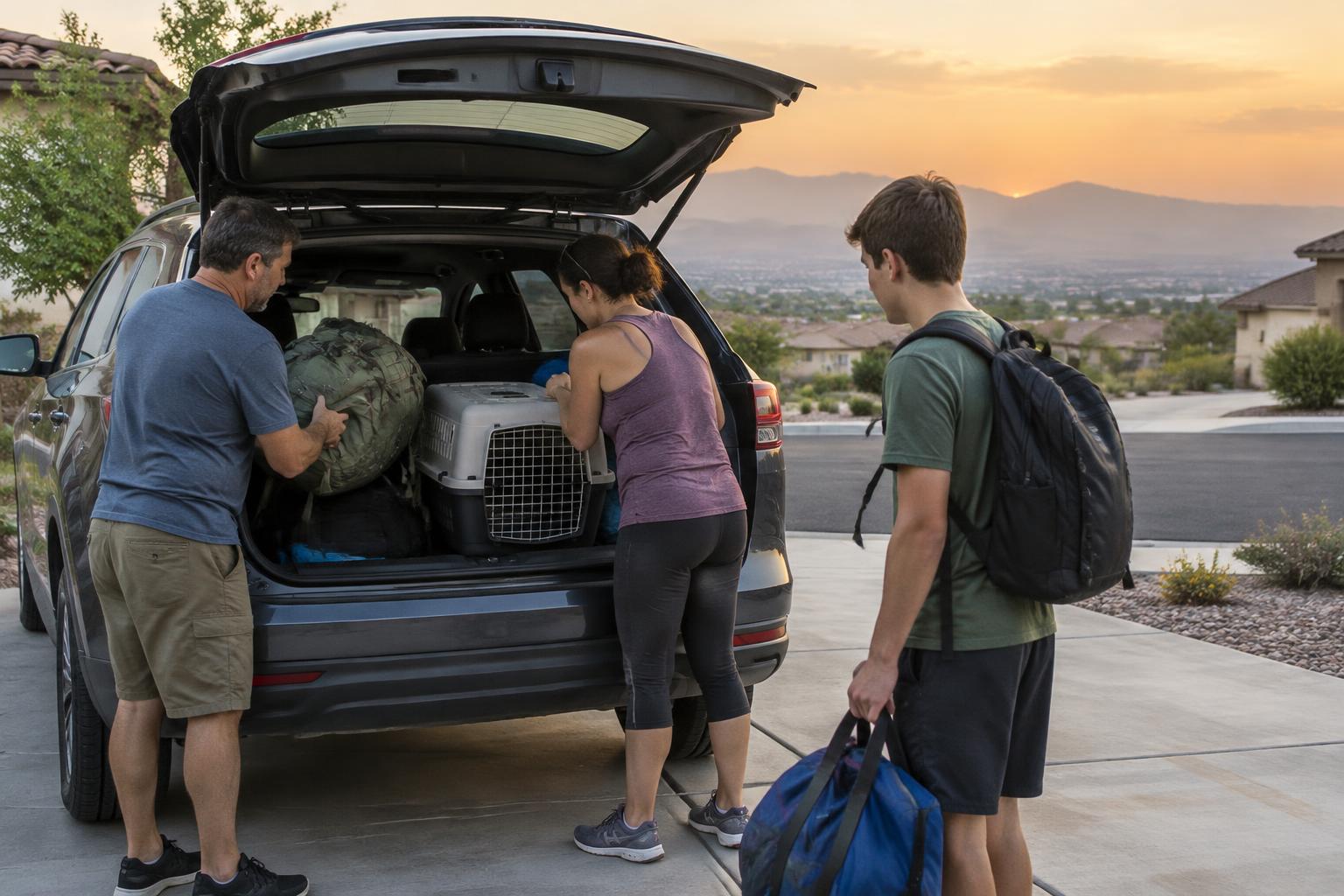
When a fire is coming, you may have only minutes. Get ready now.
- Sign up for emergency alerts from your county, and turn on emergency alerts on your phone.
- Know your zone. Many areas, including Washoe County, assign evacuation zones. Look yours up now, so when officials say "Zone 5, go now," you know whether that's you.
- Know two ways out of your neighborhood.
- Pack a go bag for each person and pet. My Bug Out page has the full list. Include N95 masks, medications, phone chargers, copies of important documents, water and snacks.
- Make a "grab list" of the few irreplaceable things you'd take if you had five minutes: photos, family records, a hard drive.
- Plan for your pets and animals. Know where you'd take horses or livestock before you need to.
- Keep your gas tank at least half full all summer.
When a fire is near: Ready, Set, Go
Fire agencies use three steps:
- Ready: Fire season is here. Have your go bag packed, your home cleaned up and your plan made.
- Set: A fire is burning nearby. Pack the car, park it facing out, gather your pets, and stay tuned to alerts. If you need extra time (kids, older family members, animals), leave now.
- Go: When officials say go, go. Don't wait to see the flames. The roads get crowded fast, and smoke makes it hard to see.
If you're told to leave and you have a few minutes:
- Close all windows and doors, but leave them unlocked.
- Turn off the gas at the meter and any propane tanks.
- Move furniture away from windows.
- Turn on your porch light so firefighters can see your house in the smoke.
- Leave garden hoses connected where firefighters can find them.
Smoke: the part that reaches everybody
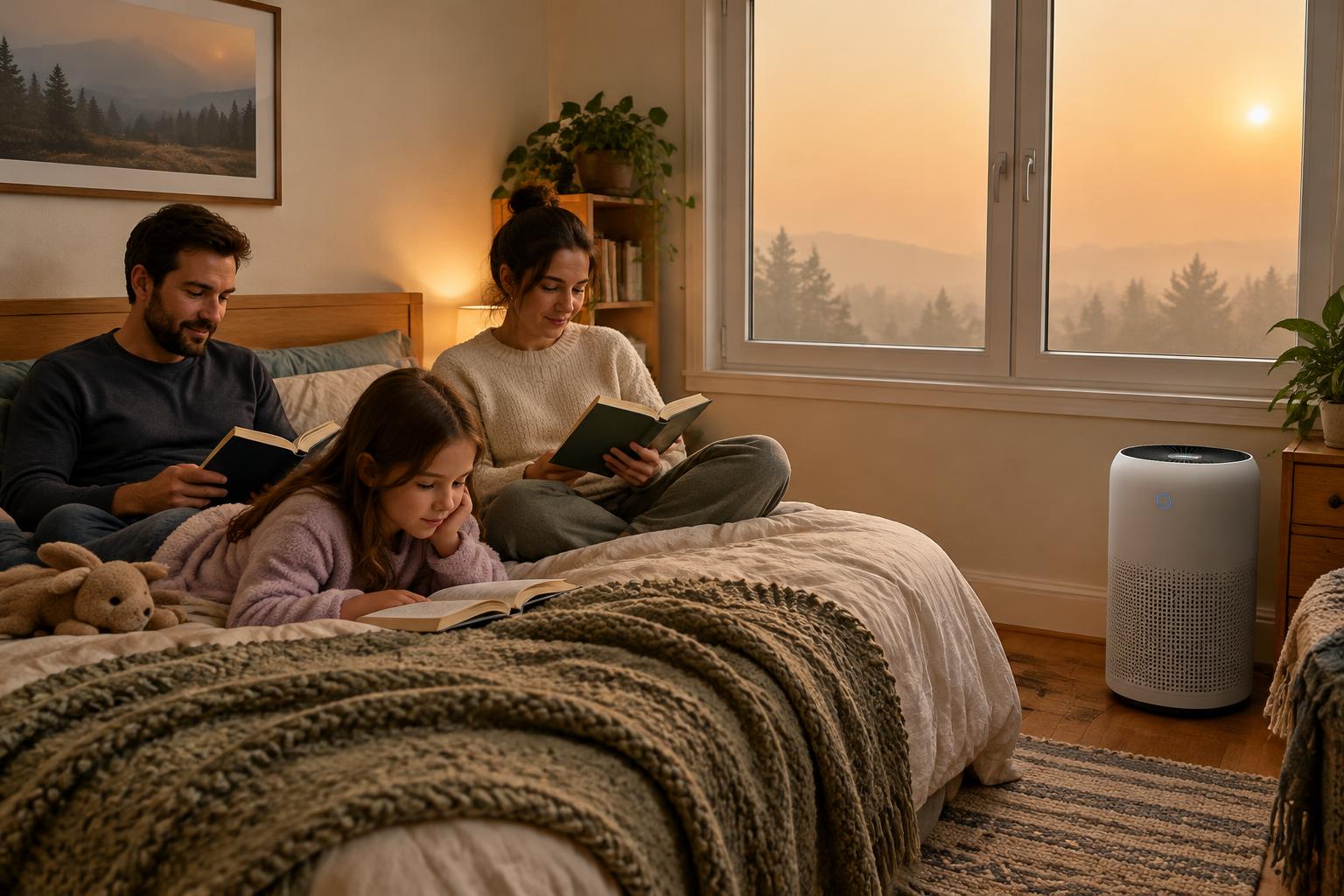
Even when the fire is a hundred miles away, the smoke can sit over us for weeks. Wildfire smoke is full of tiny particles that get deep into your lungs, and it's especially hard on kids, older folks, pregnant women, and anyone with asthma, heart or lung problems.
- Check the air quality every day during fire season at AirNow.gov or on a weather app.
- Stay inside on bad air days, and keep windows and doors closed.
- Make one clean room in your house where everyone can sleep, with a portable air purifier that has a HEPA filter.
- Upgrade your furnace or AC filter to a high-efficiency one (MERV 13 or higher), and run the fan.
- Use N95 masks if you have to be outside. Cloth masks and paper dust masks don't stop smoke.
- Don't add to it. Skip the vacuum, frying, candles and anything that burns indoors on smoky days.
- Call a doctor for anyone having trouble breathing, chest pain or a bad cough.
After a fire
- Wait for officials to say it's safe before you go home.
- Watch for hot spots, smoldering stumps, and burned-out holes in the ground.
- Wear an N95 mask, gloves and long sleeves when cleaning up ash.
- Throw out food that was exposed to heat, smoke or soot.
- Check your water. If you're on a city system, follow any boil-water notice.
- Take photos for insurance before you clean anything up.
- Watch for flash floods in burned areas. With the plants gone, even a normal thunderstorm can send mud and water down the hills.
Printable checklist
Wildfire and Smoke Checklist
- Emergency alerts on, and you know your evacuation zone
- Two ways out of your neighborhood
- Nothing that burns within 5 feet of your house
- Roof and gutters cleared of needles and leaves
- Vents covered with 1/8-inch metal mesh
- Firewood at least 30 feet from the house
- Grass mowed short and cheatgrass removed
- Go bag for every person and pet
- N95 masks for everyone
- HEPA air purifier for one clean room
- High-efficiency furnace filter (MERV 13 or higher)
- Grab list of irreplaceable items
- Plan for pets and large animals
- Gas tank at least half full
Official sources
Everything in this guide follows the official guidance below. When in doubt, check these:
Keep going
- New to all this? Start with my Start Here page.
- My Bug Out page has the full go-bag list.
- My Floods guide covers what can happen to burned hillsides when the rain comes.
- Use the Family Emergency Planner to put your own plan on paper.