

Disaster Guide
Earthquakes: Getting Ready in One of the Most Active States in the Country
Nevada is the third most earthquake-active state, after Alaska and California. Here's what that means for northern Nevada families, and what to do before, during and after the shaking.
Standing on the fault line
A lot of people are surprised to learn that Nevada is the third most seismically active state in the country, behind only Alaska and California. We feel small earthquakes here all the time. Most of us just don't notice them.
The big ones are a different story. In December 1954, a magnitude 7.1 earthquake hit at Fairview Peak, east of Fallon, and a 6.9 followed in Dixie Valley just four minutes later. I've been out to that fault line. In places the ground on one side ended up more than a dozen feet higher than the other, and in at least one spot the scarp is close to 20 feet tall. It's something to stand there and see what the earth can do in a few seconds.
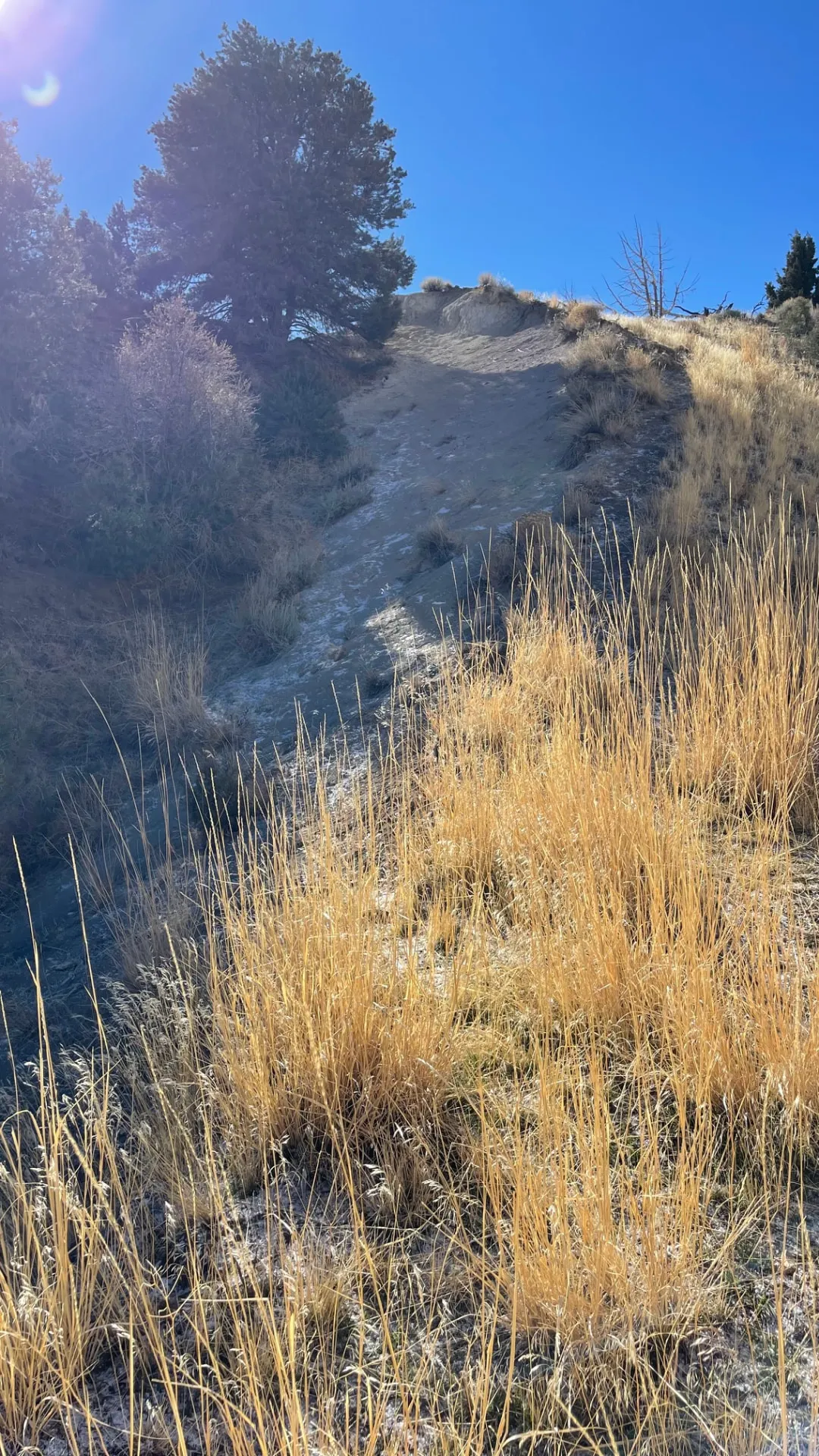
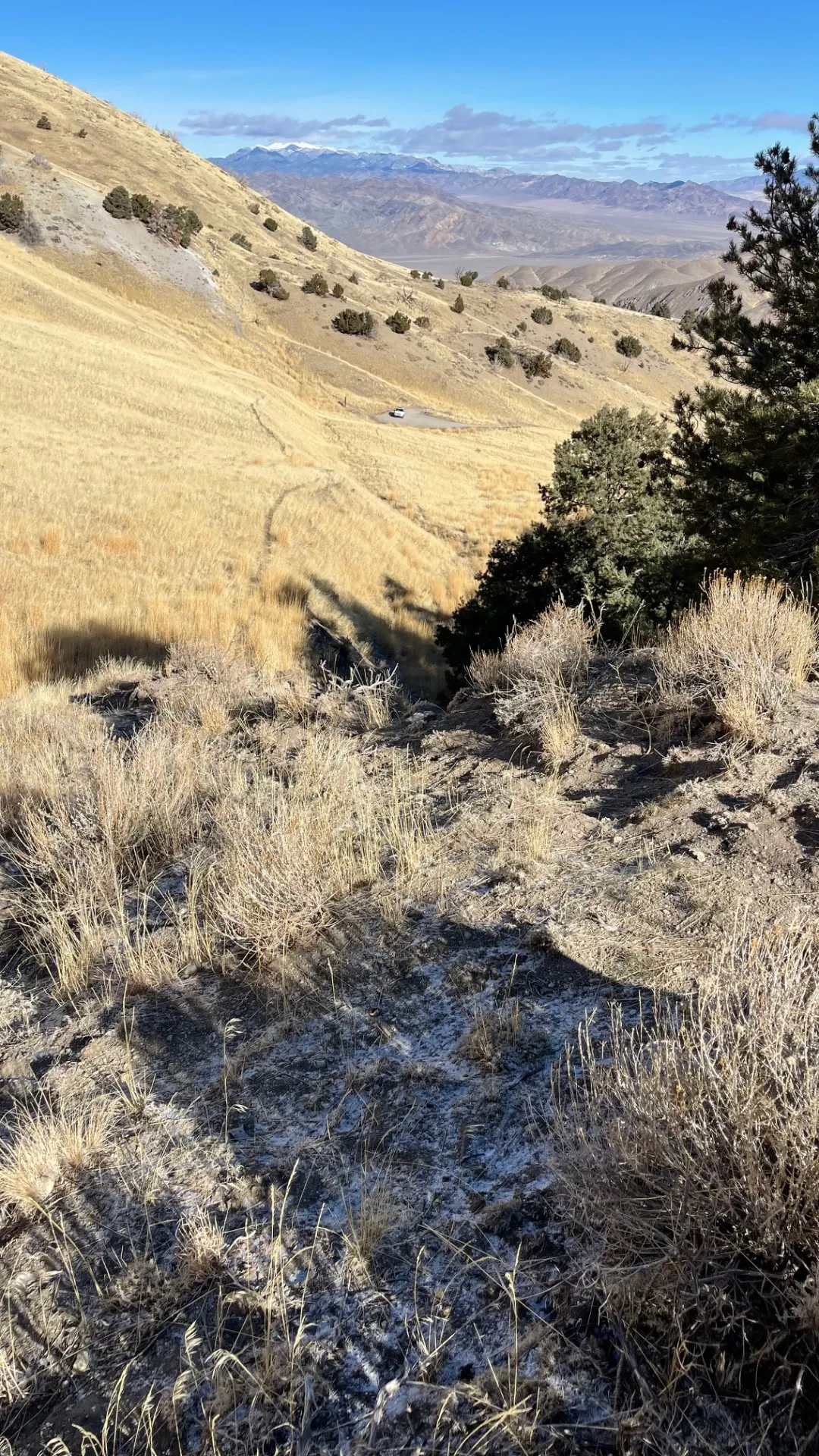
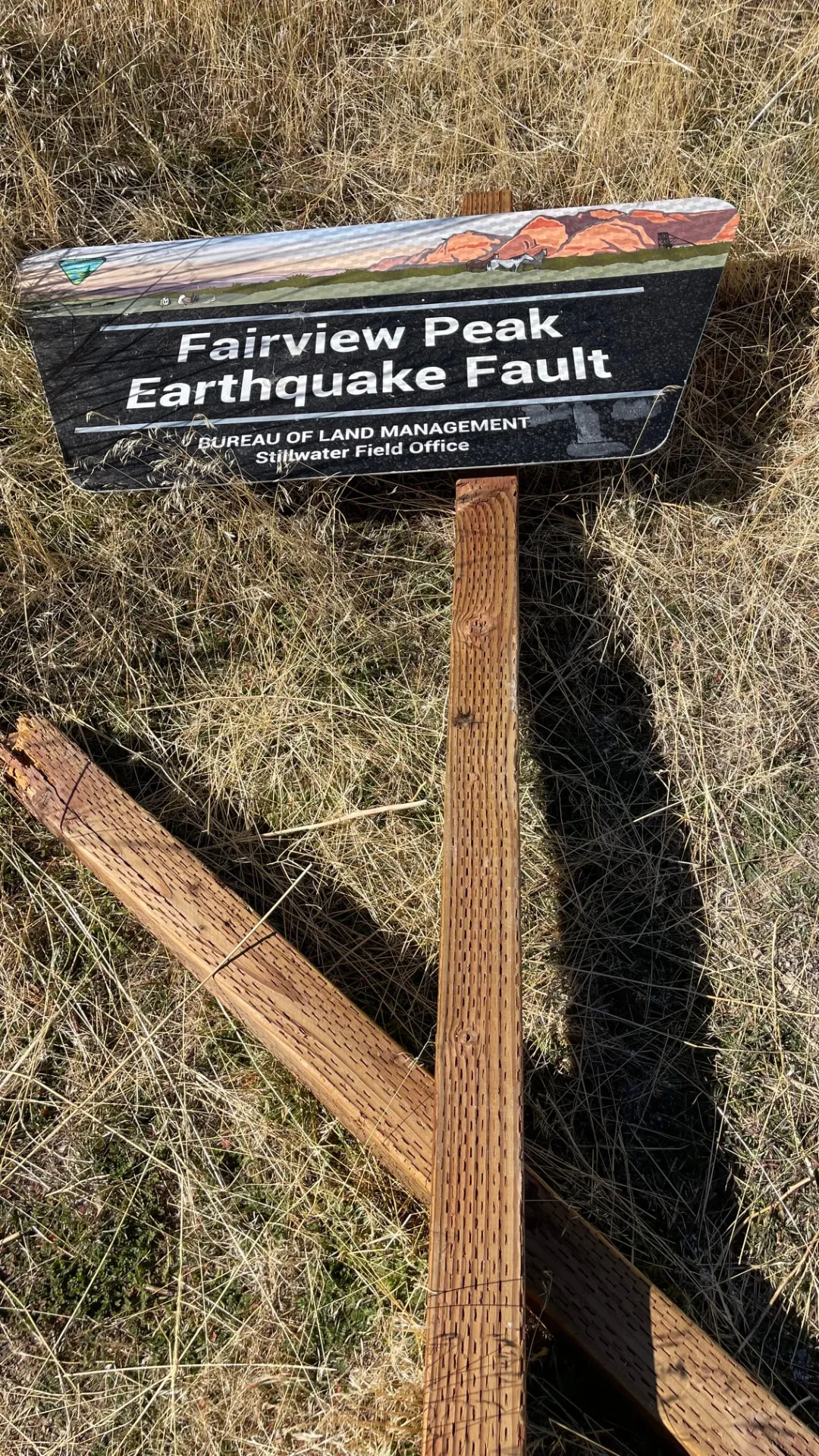
Here's another thing most people don't know. Reno itself has been hit hard before. A magnitude 6.5 earthquake struck the area in 1860, and a 6.4 in 1914 caused major damage. Geologists at the University of Nevada say the Reno, Carson City and western Nevada area carries a seismic hazard approaching the level near California's most active faults.
We've been fortunate. Earthquakes in Nevada have taken very few lives, partly because the biggest ones hit out in the open desert. One of the few deaths I know of happened in 2019, when a big earthquake in Ridgecrest, California shook all the way to Pahrump. A man there was working under his Jeep, and the shaking knocked it off the jack.
That story stays with me because it shows how ordinary an earthquake death can be. It's rarely the ground opening up. It's something heavy falling on you.
What keeps me up at night
I'm not trying to scare anybody. But I've spent a lot of time thinking about what a strong earthquake close to Reno and Sparks would do. A magnitude 6 or 6.5 right under the valley, the same size we've already had here twice, could break water mains, sewer lines, gas lines and power lines all at once. Roads and bridges could be damaged. Water and power could be out for a long time, not days.
There's also the question of how we get food. Almost everything on our grocery shelves comes over the Sierra on I-80 from California. A big earthquake in those canyons, or a major quake in California itself, could cut off that supply for weeks or even months.
And then there are the dams above us. Stampede, Boca and Prosser hold back a lot of water up the Truckee River. The good news is that the Bureau of Reclamation takes this seriously. Boca Dam was reinforced and finished in 2020 after engineers found its foundation could fail in a large earthquake, and Stampede Dam was upgraded too. That work was done for a reason, though, and it's one more reason I want families in the Truckee Meadows to be ready to go without city water, power and fresh groceries for a long stretch.
If an earthquake that size never comes in my lifetime, I'll be grateful. But I'd rather be ready for it and never need it.
What about the "Big One"?
People ask me about the Cascadia Subduction Zone, the fault off the coast from Northern California up to British Columbia. It's a fascinating story. On January 26, 1700, it broke in a magnitude 9 earthquake. Nobody wrote it down on this side of the ocean, but in Japan, people recorded a tsunami that arrived with no earthquake they could feel. Centuries later, scientists matched those records to the evidence along our coast and figured out exactly when it happened.
You'll sometimes hear that Cascadia is "overdue." That's not quite right. According to the U.S. Geological Survey, the full-size Cascadia earthquakes come about every 500 years on average, and we're about 325 years past the last one. USGS puts the odds of another magnitude 9 in the next 50 years at about 10 to 15 percent. That's not overdue, but it's not small either. It's another reason to prepare: if it happens, the West Coast supply chain we depend on will be badly hurt.
I keep an earthquake app on my phone and check it several times a week. This year we've seen powerful earthquakes in Japan, Colombia, Panama and elsewhere, and the videos are sobering. USGS says the world averages about 15 or 16 earthquakes of magnitude 7 or greater every year, so every year brings a number of big ones. They're a reminder of what happens when people aren't ready.
Before an earthquake
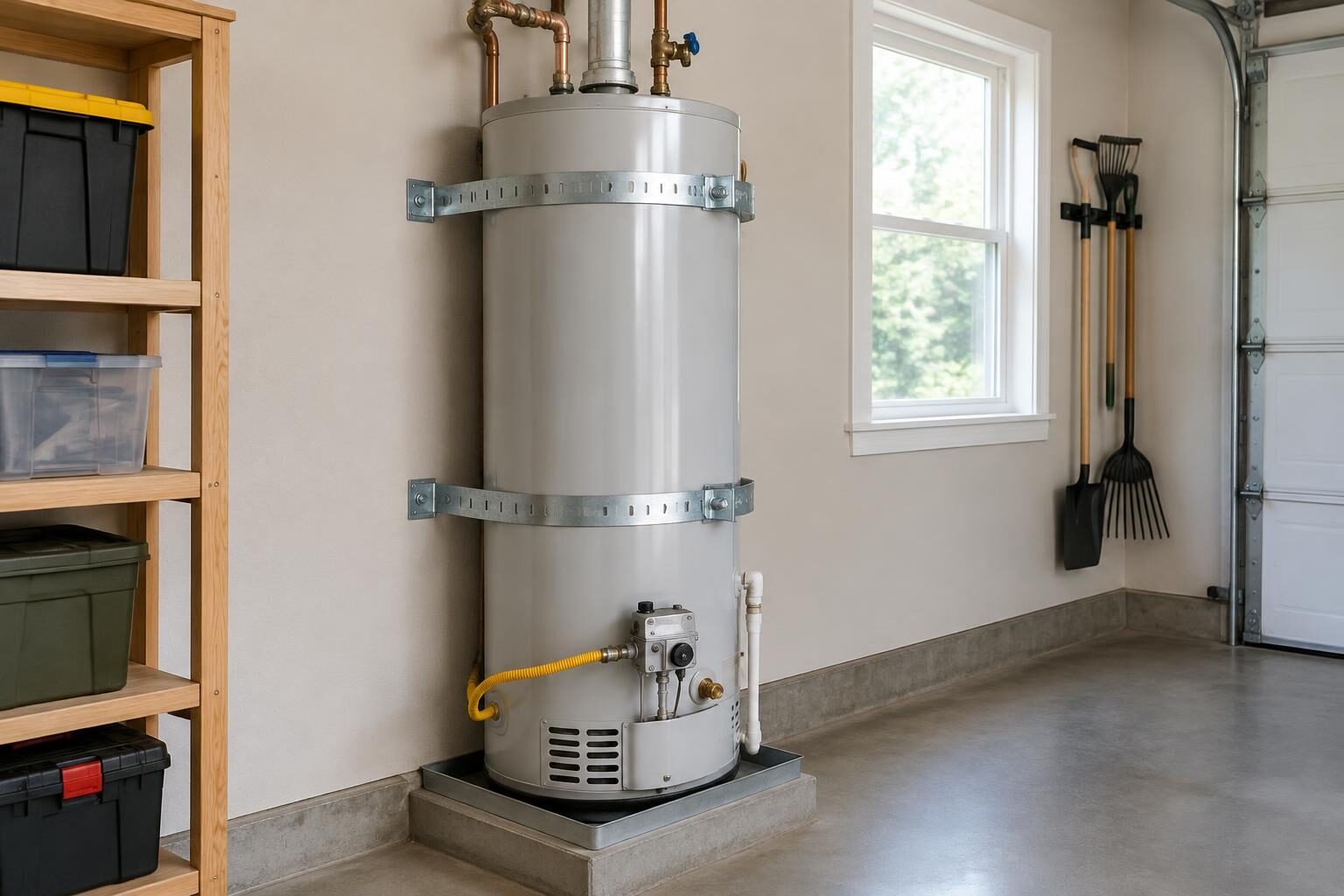
Secure your home. Most earthquake injuries come from things falling and breaking, not from buildings collapsing. Take a weekend and:
- Strap your water heater to the wall studs. It's also one of your biggest stores of clean water after a quake.
- Anchor tall bookcases, dressers and cabinets to the wall.
- Move heavy things off high shelves, and keep heavy pictures and mirrors away from beds and couches.
- Put latches on kitchen cabinets so dishes and jars don't come flying out.
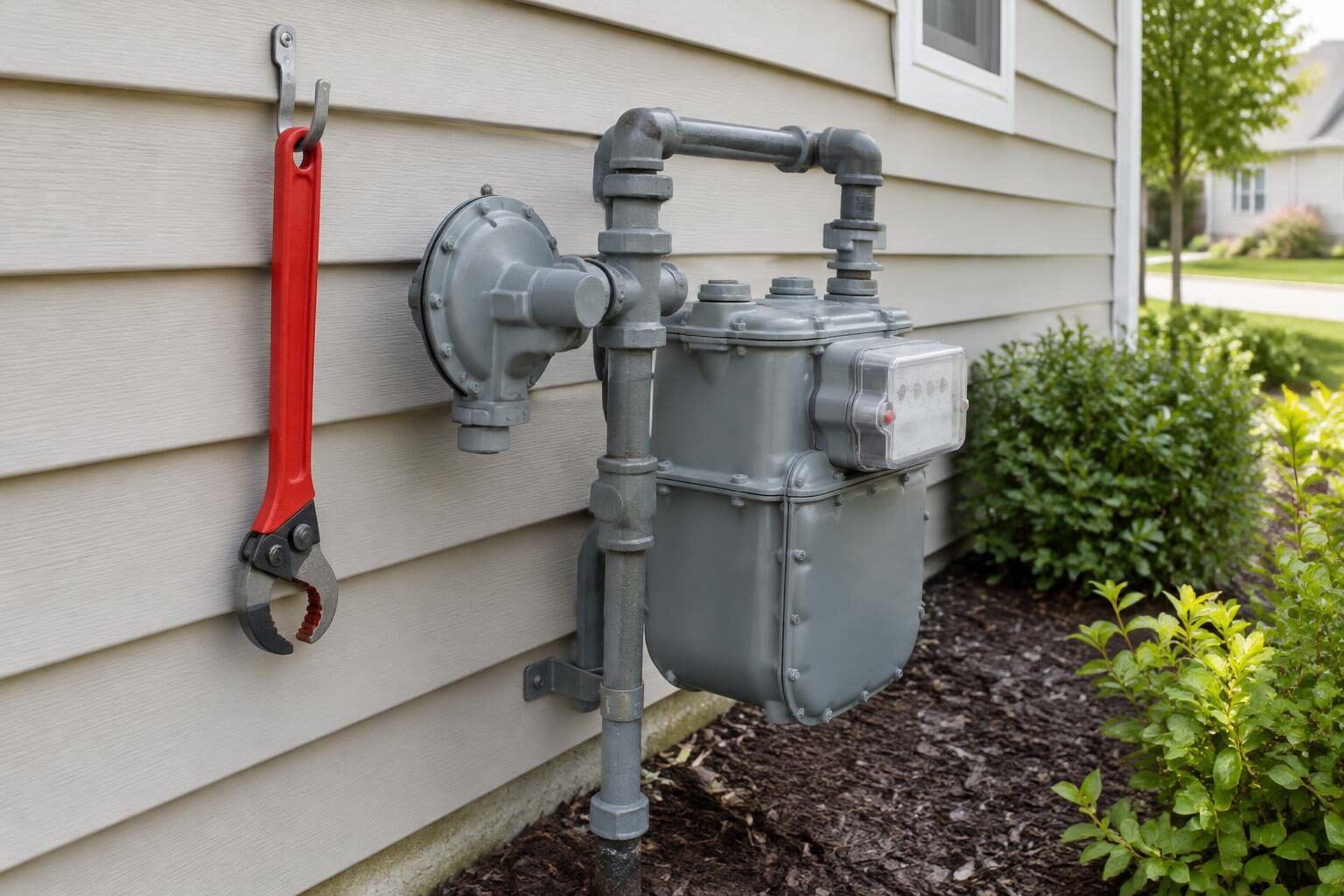
- Know where your gas, water and electric shutoffs are, and keep the right wrench next to the gas meter.
Get your supplies ready. After a big quake, plan to be on your own for at least two weeks, and longer is better.
- Water: at least one gallon per person per day. After a strong quake, city water may be out or unsafe for a long time.
- Food that needs no cooking, and a manual can opener
- A first-aid kit and any medications your family needs
- Flashlights, batteries and a battery or hand-crank radio
- Sturdy shoes and a flashlight next to every bed. Broken glass is everywhere after a quake.
- A solar generator or charged power banks
- A sanitation plan: a bucket toilet with liners and lids. If the sewer lines break, you can't flush.
- A water filter or treatment tablets
- Cash in small bills
Make a plan. Decide where your family will meet if you're apart, and pick an out-of-state contact. Phone lines get jammed after a quake, but a text to someone far away often gets through. My Family Emergency Planner walks you through it.
Practice. Every October, Nevada joins the Great ShakeOut earthquake drill. It takes one minute to practice Drop, Cover and Hold On with your family, and it's worth it.
During an earthquake
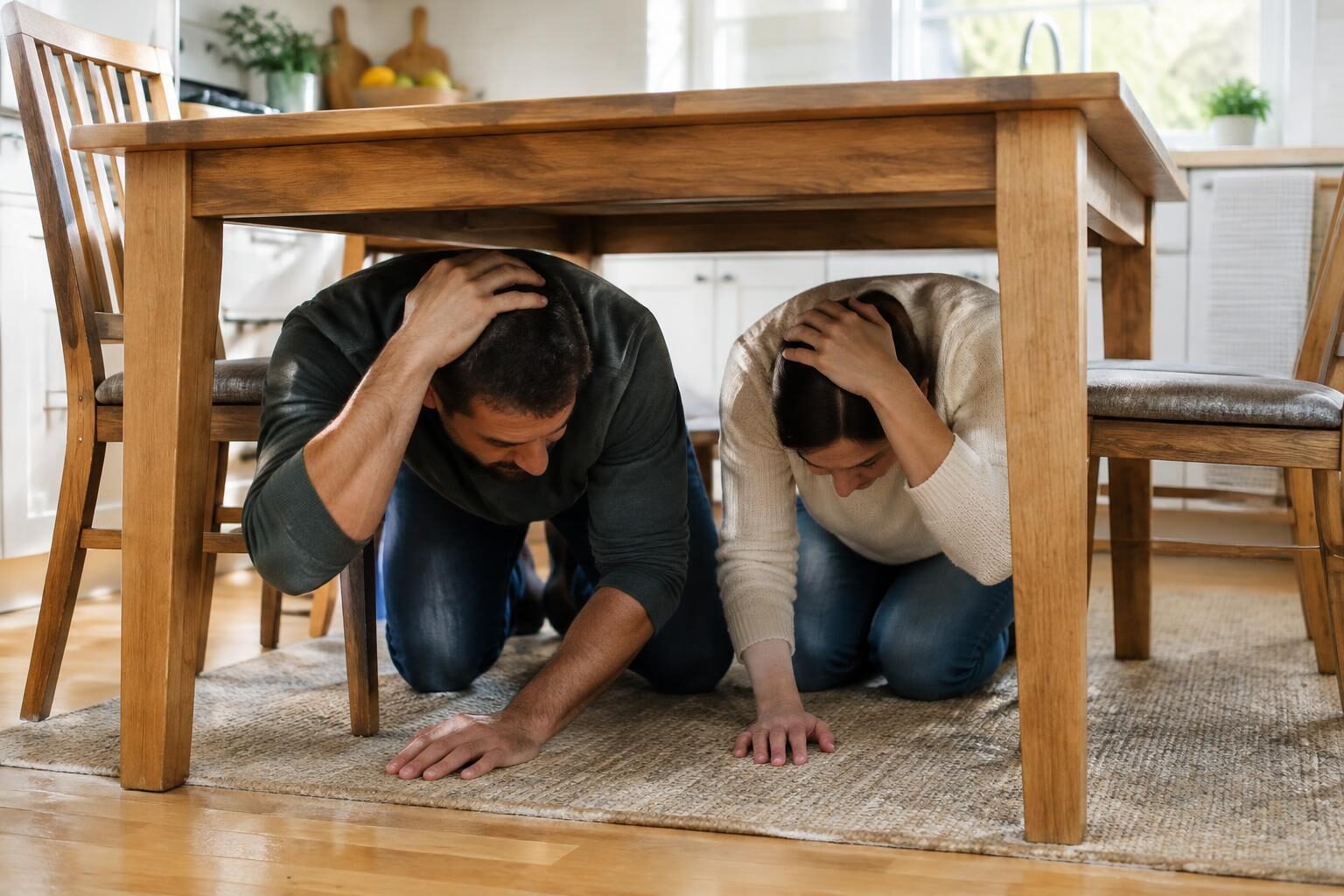
Drop, Cover and Hold On.
- Drop to your hands and knees where you are, before the shaking knocks you down.
- Cover your head and neck with one arm. Crawl under a sturdy table or desk if one is close. If not, get down next to an inside wall, away from windows.
- Hold On to your shelter, or keep covering your head and neck, until the shaking stops.
A few more things:
- Don't run outside. Most people hurt in earthquakes are hit by falling glass and debris on their way out.
- Don't stand in a doorway. That's an old idea. In modern homes, doorways aren't stronger than any other part of the house, and they don't protect you from flying objects.
- If you're in bed, stay there and cover your head with a pillow.
- If you're outside, move away from buildings, trees, streetlights and power lines, then drop.
- If you're driving, pull over somewhere clear of overpasses, bridges and power lines, set the brake and stay in the car until the shaking stops.
After an earthquake
- Expect aftershocks. They can be strong. Drop, Cover and Hold On each time.
- Check yourself and others for injuries. Give first aid if you can.
- Put on sturdy shoes before you walk around.
- Check for gas leaks. If you smell gas or hear a hissing sound, get everyone out and shut off the gas at the meter if you can do it safely. Don't turn it off if you don't smell gas. Once it's off, only the gas company should turn it back on, and after a big quake that could take weeks.
- Don't use matches, lighters or candles until you're sure there's no gas leak.
- Stay out of damaged buildings.
- Use text messages instead of calls, so the lines stay open for emergencies.
- Listen to your radio for instructions, boil-water notices and road closures.
- Use your stored water first. Don't drink tap water until officials say it's safe.
- Check on your neighbors, especially anyone older or living alone.
Printable checklist
Earthquake Checklist
- Water heater strapped to the wall
- Tall furniture anchored, heavy items moved to low shelves
- Cabinet latches in the kitchen
- Gas shutoff wrench at the meter, and everyone knows where the shutoffs are
- At least two weeks of water: one gallon per person per day
- At least two weeks of food that needs no cooking, and a manual can opener
- First-aid kit and extra medications
- Flashlights, batteries and a battery or hand-crank radio
- Sturdy shoes and a flashlight by every bed
- Solar generator or charged power banks
- Bucket toilet, liners and lids
- Water filter or treatment tablets
- Cash in small bills
- Family meeting places and an out-of-state contact
- Practice Drop, Cover and Hold On
Official sources
Everything in this guide follows the official guidance below. When in doubt, check these:
Keep going
- New to all this? Start with my Start Here page.
- My Water Storage page shows how to store enough water for a long outage.
- My Bug Out page covers what to grab if you have to leave.
- Use the Family Emergency Planner to put your own plan on paper.