
Beyond Bread: 20 Practical Ways to Use Stored Wheat During an Emergency
By Kelly Smith ·
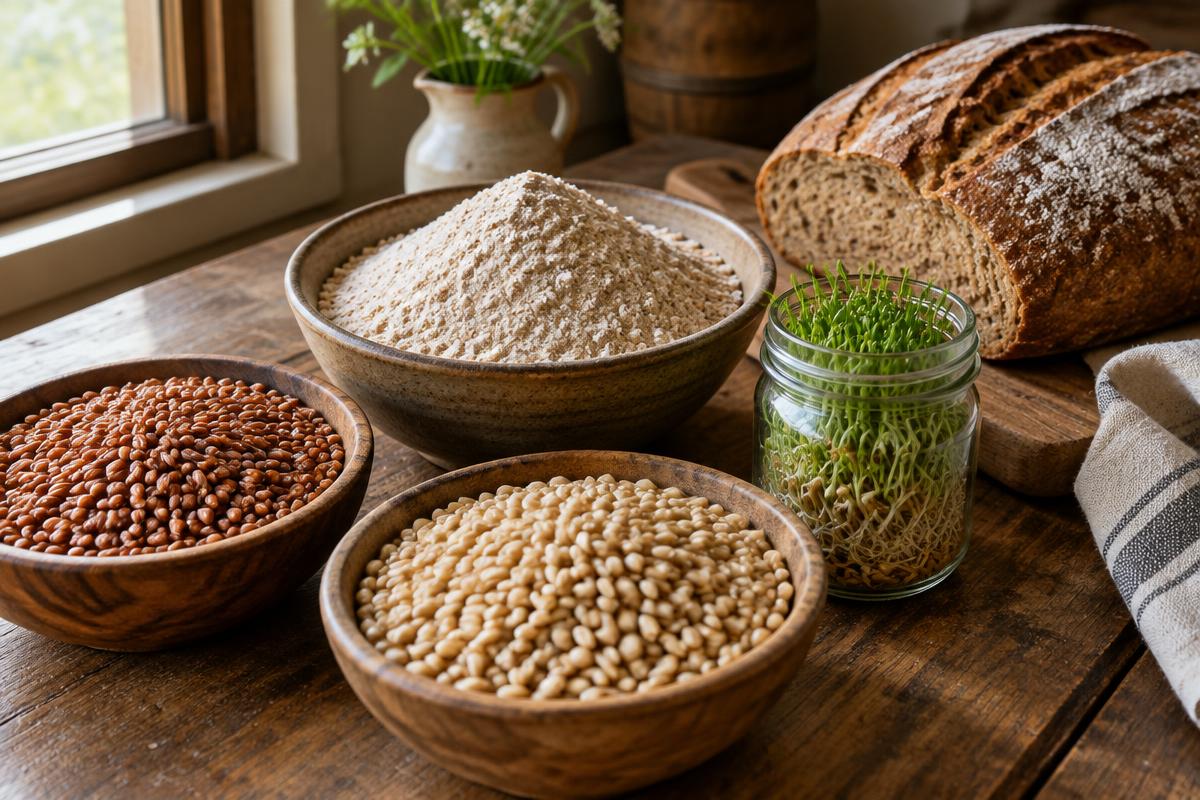
You may have several five-gallon buckets of wheat in your emergency food storage. But do you know how many different meals you can make with it?
Walk into the emergency storage area of many well-prepared families, and you'll find buckets of wheat.
Perhaps there are five buckets. Maybe ten or twenty.
Some families have been storing wheat for decades.
But here's a question worth asking:
When was the last time you actually cooked something using the wheat you've stored?
For many families, the answer is never.
That's unfortunate because wheat is one of the most versatile foods in an emergency pantry. It can be cooked whole, cracked into cereal, ground into flour, sprouted, baked into bread, made into tortillas, added to soups, or used in dozens of other ways.
And you don't need to be an experienced baker to use it.
The key is learning a few simple techniques now, before an emergency forces you to depend on them.
This article explores 20 practical ways to use stored wheat, including recipes that require minimal ingredients, cooking fuel, or equipment.
1. Hard Red Wheat vs. Hard White Wheat: What's the Difference?
Two of the most common varieties stored for emergencies are hard red wheat and hard white wheat.
Both are nutritious whole grains that can be used for many of the same recipes.
However, they have some differences.
| Characteristic | Hard Red Wheat | Hard White Wheat |
|---|---|---|
| Flavor | Stronger, nuttier, more earthy | Milder, slightly sweeter |
| Color of flour | Darker, reddish-brown tint | Lighter cream color |
| Bread | Hearty whole-wheat flavor | Milder whole-wheat bread |
| Hot cereal | Rich, nutty taste | Mild, pleasant taste |
| Protein | Generally suitable for bread | Generally suitable for bread |
| Best for | Hearty breads, cereals, savory dishes | Bread, tortillas, pancakes, muffins |
Both contain the bran, germ, and endosperm when used as whole grains.
Their nutritional values vary by variety and growing conditions, but both provide carbohydrates, protein, fiber, B vitamins, and minerals.
For families just beginning to use stored wheat, hard white wheat is often easier to introduce because of its milder flavor.
Hard red wheat is also excellent, particularly for hearty breads and hot cereals.
Neither variety is inherently better for every purpose.
2. Three Basic Ways to Prepare Wheat
Before exploring the recipes, understand that whole wheat can be prepared in three basic forms.
Whole Wheat Berries
Wheat berries are the intact edible kernels of wheat.
They can be boiled until tender and used much like rice, barley, or other cooked grains.
Their texture is pleasantly chewy.
Cracked Wheat
Cracked wheat consists of wheat berries broken into smaller pieces.
It cooks faster than whole wheat berries and makes an excellent hot breakfast cereal.
Cracked wheat is not the same as bulgur. Bulgur has generally been parboiled, dried, and cracked, so it often requires much less cooking.
Whole-Wheat Flour
When wheat berries are milled into flour, they can be used to make bread, pancakes, biscuits, tortillas, muffins, and many other foods.
Freshly milled whole-wheat flour contains the entire wheat kernel, including its bran and germ.
The equipment used to mill wheat will be covered in a separate article.
For now, we'll concentrate on what you can make with the flour.
Part One: Cooking Whole Wheat Berries
3. How to Cook Whole Wheat Berries
This is one of the most useful skills a family can learn.
You don't have to grind wheat to eat it.
Whole wheat berries can be cooked directly in water.
Basic Recipe
Ingredients:
- 1 cup dry wheat berries
- 3–4 cups water
- Pinch of salt, optional
Instructions:
- Sort through the wheat and remove any debris.
- Rinse thoroughly with clean water.
- Place the wheat and water in a cooking pot.
- Bring to a boil.
- Reduce heat, cover, and simmer until tender, usually 45–90 minutes or longer, depending on the wheat.
- Drain any excess water and serve.
One cup of dry wheat berries generally produces approximately 2½–3 cups of cooked wheat.
Save Cooking Fuel
Soaking wheat berries for several hours can help reduce cooking time.
A stovetop pressure cooker may also shorten cooking considerably.
Retained-heat cooking is another possibility when using tested recipes and proper food-safety precautions.
Related article: Cooking Without Constant Heat: How to Save Fuel During an Emergency.
4. Recipe 1: Wheat Berry Breakfast Cereal
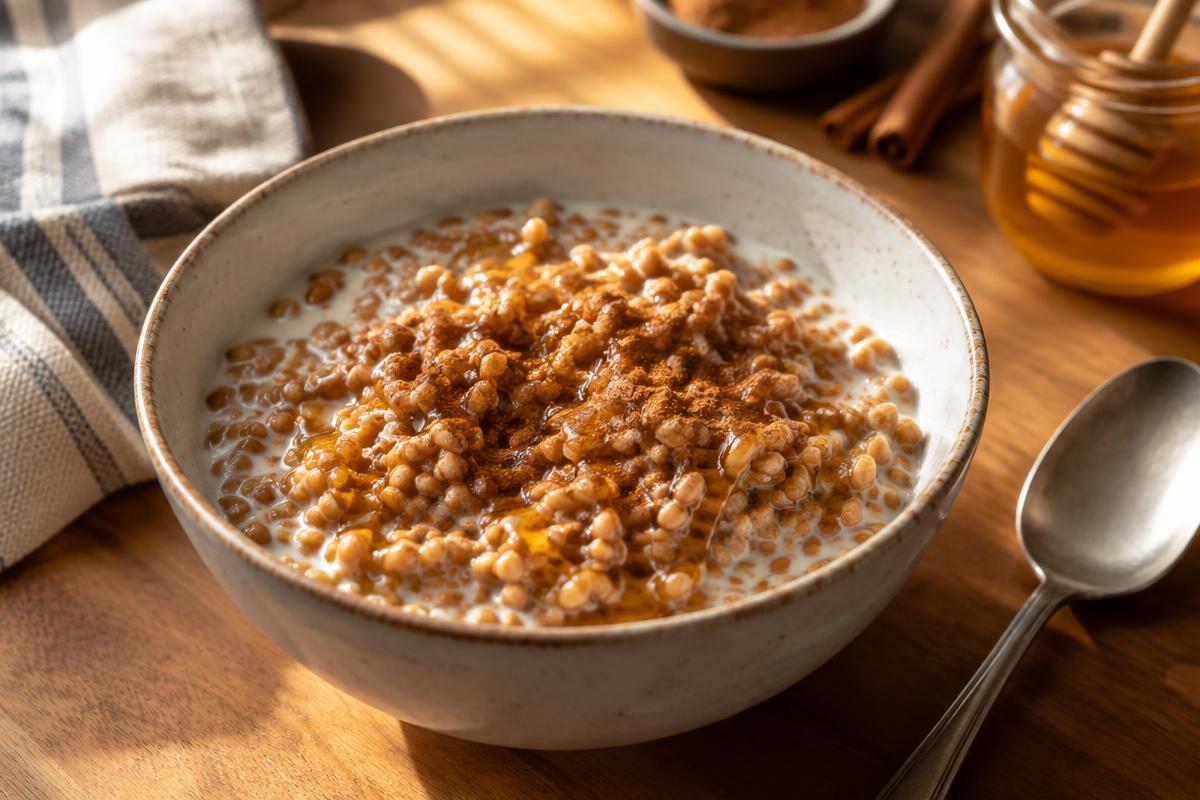
Ingredients:
- 1 cup cooked wheat berries
- ½ cup water or prepared powdered milk
- Cinnamon
- Honey, sugar, or maple syrup
- Optional raisins
Instructions:
Combine the cooked wheat, liquid, and seasonings in a small pot.
Heat until warm and the desired consistency is reached.
Add raisins or other dried fruit.
This produces a hearty breakfast with a chewy texture.
5. Recipe 2: Wheat Berries With Canned Chicken
Ingredients:
- 2 cups cooked wheat berries
- 1 can chicken
- 1 tablespoon cooking oil
- Garlic powder
- Onion powder
- Salt and pepper
Instructions:
Heat the oil in a skillet.
Add the cooked wheat berries and drained canned chicken.
Season and stir until thoroughly heated.
This is a simple alternative to chicken and rice.
6. Recipe 3: Wheat Berry and Bean Soup
Ingredients:
- 1 cup cooked wheat berries
- 1 can cooked pinto or Great Northern beans
- 1 can diced tomatoes
- 3 cups water or broth
- Dried onion and garlic
- Optional canned beef
Instructions:
Combine all ingredients in a pot.
Bring to a boil and simmer briefly until thoroughly heated and the flavors blend.
The wheat berries provide texture and help make the soup more filling.
7. Recipe 4: Wheat Berry Pilaf
Ingredients:
- 2 cups cooked wheat berries
- 1 can mixed vegetables, drained
- 1 tablespoon oil
- Chicken bouillon or other seasoning
- Optional canned chicken
Instructions:
Combine all ingredients in a skillet and heat thoroughly.
Serve as a side dish or complete meal.
This is an excellent way to stretch canned meat during an emergency.
8. Recipe 5: Sweet Wheat Berry Pudding
Ingredients:
- 2 cups cooked wheat berries
- 1 cup prepared powdered milk
- 2 tablespoons sugar or honey
- Cinnamon
- Optional raisins
Instructions:
Combine ingredients in a saucepan.
Simmer gently, stirring frequently, until slightly thickened.
Serve warm.
This makes a satisfying breakfast or dessert.
Part Two: Cracked Wheat and Hot Cereals
Cracked wheat is one of the most practical ways to use stored wheat because smaller pieces cook faster than whole kernels.
It's especially useful during an emergency when cooking fuel is limited.
9. Recipe 6: Basic Cracked Wheat Cereal
Ingredients:
- ½ cup cracked wheat
- 1½ cups water
- Pinch of salt
- Honey, sugar, or cinnamon
Instructions:
- Bring the water to a boil.
- Stir in cracked wheat and salt.
- Reduce heat and cover.
- Simmer approximately 15–25 minutes, stirring occasionally, until tender.
- Add sweetener or seasonings.
Cooking time depends on how finely the wheat is cracked.
10. Recipe 7: Apple-Cinnamon Wheat Cereal
Ingredients:
- ½ cup cracked wheat
- 1½ cups water
- ¼ cup dried apple pieces
- Cinnamon
- Honey or brown sugar
Instructions:
Combine the wheat, water, and dried apples.
Simmer until the wheat and apples are tender.
Add cinnamon and sweetener.
This is an excellent breakfast using ingredients that can be stored without refrigeration.
11. Recipe 8: Savory Cracked Wheat With Chicken
Ingredients:
- 1 cup cracked wheat
- 3 cups water or chicken broth
- 1 can chicken
- Dried onion
- Garlic powder
- Black pepper
Instructions:
Cook the cracked wheat in the broth until tender.
Stir in the canned chicken and seasonings.
Heat thoroughly and serve.
This makes a thick, filling dish similar to a savory porridge.
12. Recipe 9: Cracked Wheat and Lentil Soup
Ingredients:
- ½ cup cracked wheat
- ½ cup dry lentils
- 4–5 cups water or broth
- Dried onion
- Garlic powder
- Cumin
Instructions:
Rinse the lentils and cracked wheat.
Combine with water and seasonings.
Simmer until both the lentils and wheat are completely tender, adding water as needed.
This meal is inexpensive, filling, and uses two excellent long-term storage foods.
Part Three: Making Bread and Other Foods From Wheat Flour
Bread is probably the first food people think of when discussing stored wheat.
But whole-wheat flour can be used for much more than traditional loaves.
For emergency preparedness, it's useful to learn recipes that don't require an electric mixer or conventional oven.
13. Recipe 10: Basic Whole-Wheat Bread
Ingredients:
- 3 cups whole-wheat flour, approximately, plus extra as needed
- 1 cup warm water
- 2 teaspoons instant yeast
- 1 tablespoon honey or sugar
- 1 tablespoon oil
- 1 teaspoon salt
Instructions:
- Combine the warm water, yeast, and honey.
- Add the oil, salt, and most of the flour.
- Mix into a soft dough, adding flour as needed.
- Knead until elastic, approximately 8–12 minutes by hand.
- Cover and allow to rise until approximately doubled.
- Shape into a loaf and place in a greased loaf pan.
- Allow to rise again.
- Bake at approximately 350°F until thoroughly baked, usually 30–40 minutes, depending on the loaf and oven.
The center of the loaf should reach approximately 190–200°F.
Freshly milled flour may require adjustments to the water and flour quantities.
Emergency consideration: Bread requires more fuel than many skillet-based foods, so consider baking several loaves together when safe refrigeration or freezing is available.
14. Recipe 11: Emergency Whole-Wheat Tortillas
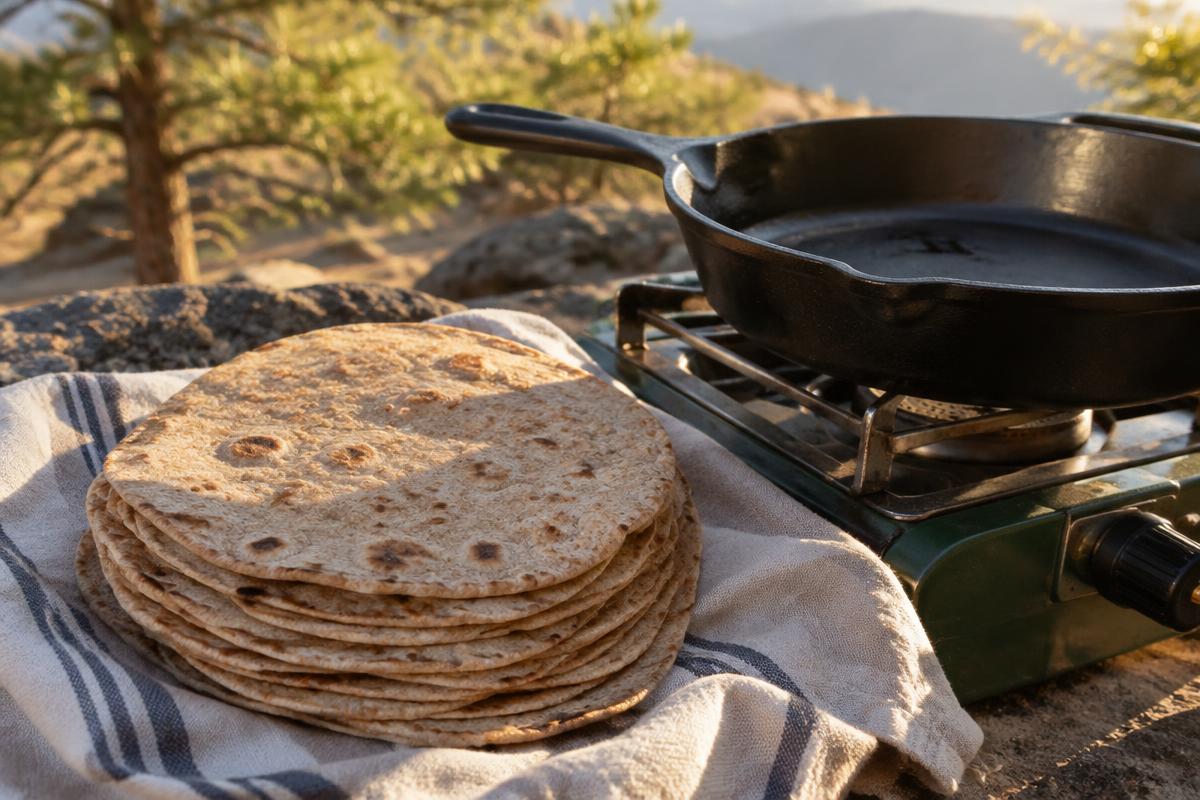
Tortillas are one of the most useful foods to learn because they require no yeast and can be cooked on a skillet.
Ingredients:
- 2 cups whole-wheat flour
- ¾ cup warm water, approximately
- 2 tablespoons oil
- ½ teaspoon salt
Instructions:
- Combine flour and salt.
- Add oil and gradually mix in water.
- Knead into a soft dough.
- Rest for approximately 15–20 minutes.
- Divide into eight balls.
- Roll each ball into a thin circle.
- Cook on a hot dry skillet for approximately 30–60 seconds per side, adjusting heat and time until cooked through.
Serve with beans, canned chicken, SPAM, peanut butter, or other emergency foods.
Why tortillas are excellent emergency food: They require relatively little fuel and no oven.
15. Recipe 12: Whole-Wheat Pancakes
Ingredients:
- 1 cup whole-wheat flour
- 1 tablespoon sugar
- 1 teaspoon baking powder
- ¼ teaspoon salt
- 1 tablespoon oil
- Approximately ¾–1 cup water or prepared powdered milk
Instructions:
Combine dry ingredients.
Stir in the oil and enough liquid to make a pourable batter.
Cook small pancakes on a lightly oiled skillet until cooked through on both sides.
Serve with honey, jam, or syrup.
16. Recipe 13: Skillet Flatbread
Ingredients:
- 2 cups whole-wheat flour
- Approximately ¾ cup water
- 1 tablespoon oil
- ½ teaspoon salt
Instructions:
Mix ingredients into a soft dough.
Knead briefly, cover, and rest for 15 minutes.
Divide into small portions and roll thin.
Cook in a skillet until both sides are browned and the interior is cooked.
This bread works well with soups, stews, and bean dishes.
17. Recipe 14: Whole-Wheat Crackers
Ingredients:
- 1 cup whole-wheat flour
- ¼ cup water, approximately
- 2 tablespoons oil
- ¼ teaspoon salt
- Optional dried herbs
Instructions:
Mix into a firm dough.
Roll very thin and cut into small squares.
Bake at 350°F for approximately 12–18 minutes, checking frequently, until dry and crisp.
Cool completely before serving.
Crackers are useful with canned meats, cheese spreads, and soups.
18. Recipe 15: Whole-Wheat Biscuits
Ingredients:
- 2 cups whole-wheat flour
- 1 tablespoon baking powder
- ½ teaspoon salt
- ¼ cup shortening or other suitable solid fat
- Approximately ¾ cup water or prepared powdered milk
Instructions:
Combine the dry ingredients.
Cut in the shortening until the mixture resembles coarse crumbs.
Add liquid gradually and mix into a soft dough.
Pat out and cut into biscuits.
Bake at approximately 425°F for 12–18 minutes, until cooked through.
Serve with canned stew, beans, or gravy.
19. Recipe 16: Whole-Wheat Skillet Dumplings
Ingredients:
- 1 cup whole-wheat flour
- 1½ teaspoons baking powder
- ¼ teaspoon salt
- Approximately ½ cup water
Instructions:
Combine ingredients into a soft dough.
Bring a pot of canned chicken soup, broth, or stew to a gentle simmer.
Drop small spoonfuls of dough into the simmering liquid.
Cover and cook approximately 12–15 minutes, or until the dumplings are cooked through.
This is an excellent way to turn one can of stew into a more substantial family meal.
Part Four: Sprouting Wheat and Growing Wheatgrass
One of the most overlooked uses of stored wheat is sprouting.
Under suitable conditions, viable wheat kernels can germinate and begin growing into young plants.
Sprouting changes the grain's composition and can provide fresh-tasting greens when ordinary produce is unavailable.
However, it requires clean water, careful sanitation, and an understanding of food safety.
20. What Happens When Wheat Sprouts?
When a wheat kernel absorbs moisture, enzymes become active and the seed begins germinating.
The growing seedling uses stored nutrients to support its development.
Sprouting can change the levels and availability of certain nutrients.
Some sprouted grains and young wheatgrass contain vitamin C, although amounts vary substantially with growing conditions and stage of growth.
Do not rely on wheat sprouts or wheatgrass as your family's sole source of vitamin C during an emergency.
Sprouting is useful for dietary variety, but it is not a substitute for a balanced food supply.
21. How to Sprout Wheat
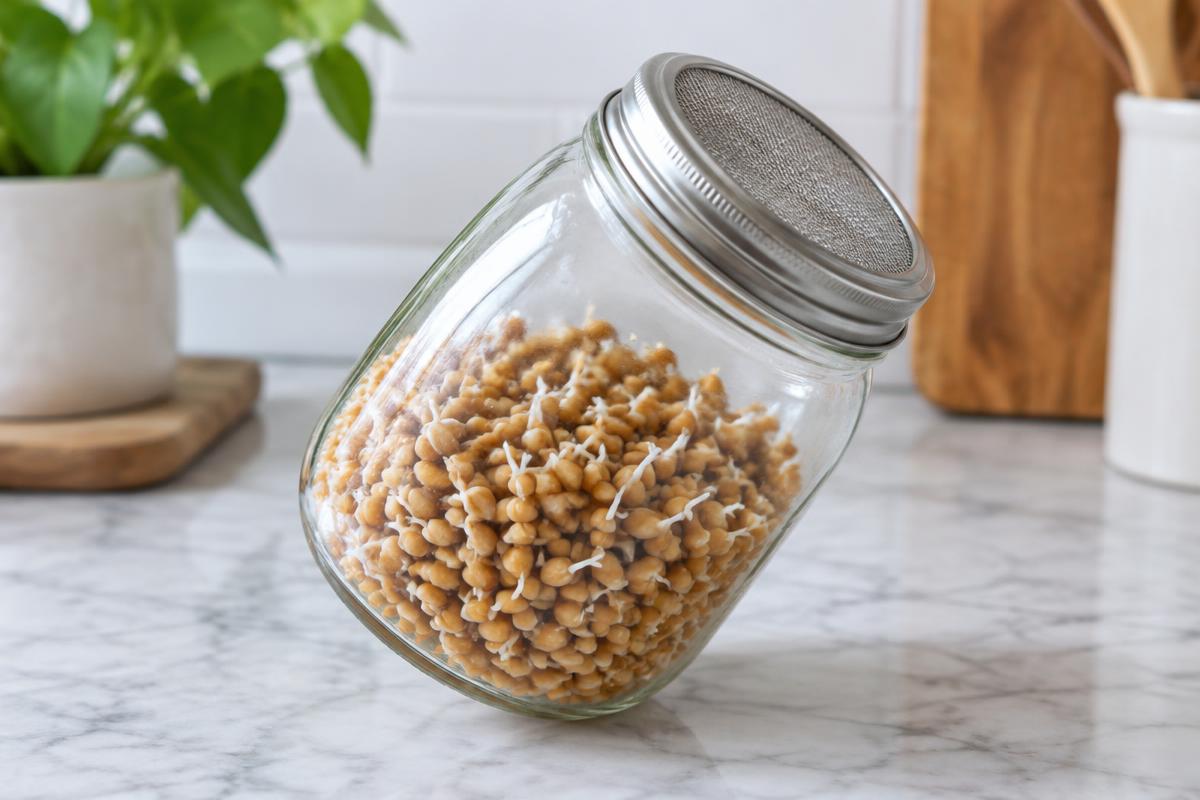
Supplies
- Whole, viable wheat berries suitable for sprouting
- Clean drinking water
- Clean glass jar or food-safe sprouting container
- Sprouting screen or mesh lid
- Clean draining area
Instructions
- Inspect the wheat and remove damaged kernels and debris.
- Rinse thoroughly.
- Place a small amount of wheat in the clean sprouting jar.
- Add sufficient clean water and soak for approximately 8–12 hours in a cool environment.
- Drain completely.
- Rinse with clean water and drain thoroughly approximately twice daily.
- Continue until small sprouts appear, commonly within one to three days.
Sprouting time depends on temperature, moisture, and the viability of the wheat.
Avoid overcrowding the jar and allowing water to collect around the kernels.
Important Food Safety Warning
Food safety warning: Read this section before eating any sprouted wheat.
Raw sprouts are associated with foodborne illness because warm, moist sprouting conditions also favor bacterial growth.
Bacteria such as Salmonella and pathogenic E. coli can be present on seeds, and rinsing alone cannot reliably eliminate them.
The safest way to eat wheat sprouts is to cook them thoroughly.
Children, older adults, pregnant people, and individuals with weakened immune systems should avoid raw or lightly cooked sprouts.
Discard sprouts showing mold, slime, or unusual odors. However, dangerous bacteria may be present even when sprouts look and smell normal.
Do not attempt to sprout wheat that has been treated with chemicals or is not suitable for food use.
22. Recipe 17: Cooked Sprouted Wheat Cereal
Ingredients:
- 1 cup freshly sprouted wheat
- 1½–2 cups water
- Cinnamon
- Honey or sugar
Instructions:
Rinse the sprouted wheat and place it in a saucepan with water.
Bring to a boil and simmer until thoroughly cooked and tender, adding water if needed.
Season with cinnamon and sweetener.
Sprouted wheat still requires appropriate cooking. Sprouting alone does not make whole kernels fully cooked.
23. Recipe 18: Sprouted Wheat and Vegetable Soup
Ingredients:
- 1 cup sprouted wheat
- 1 can mixed vegetables
- 3 cups broth
- Garlic powder
- Dried onion
- Optional canned chicken
Instructions:
Combine the sprouted wheat and broth.
Boil and simmer until the wheat is completely tender.
Add vegetables, seasonings, and optional chicken.
Heat thoroughly before serving.
This is a practical way to incorporate sprouted wheat without eating it raw.
24. Growing Wheatgrass
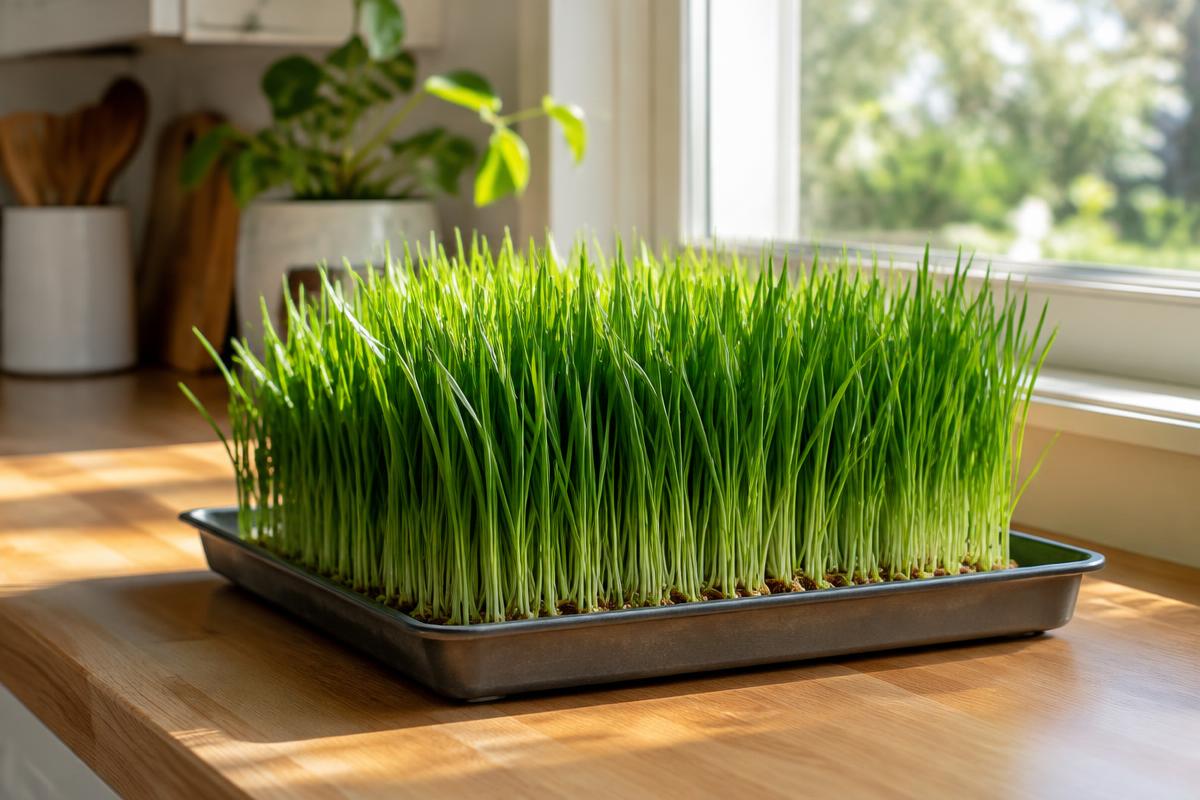
Wheatgrass is the young green growth of the wheat plant.
It can be grown in shallow trays with a suitable growing medium.
Basic Growing Method
- Select viable wheat berries suitable for sprouting.
- Soak and begin germination using clean equipment.
- Spread the germinated seeds over a shallow tray of clean growing medium.
- Keep the medium moist but not waterlogged.
- Provide adequate light and airflow.
- Allow the grass to grow until it reaches approximately 6–8 inches tall, often in 7–14 days.
- Harvest with clean scissors.
Wheatgrass is commonly juiced, but raw wheatgrass juice can carry microbial risks, especially when grown under warm, moist conditions.
Washing does not guarantee safety. Avoid consuming raw wheatgrass if you are in a group at increased risk of foodborne illness.
For emergency preparedness, wheatgrass should be viewed as an optional fresh crop rather than a guaranteed source of essential vitamins.
A Note About Gluten
Wheat berries and foods made from wheat contain gluten.
People with celiac disease or wheat allergies must avoid wheat products.
Wheatgrass may be low in gluten when harvested before seeds develop, but contamination with seeds or other wheat material is possible. It should not be assumed safe for someone with celiac disease.
Part Five: More Ways to Use Wheat
25. Recipe 19: Homemade Wheat Berry Salad
Ingredients:
- 2 cups cooked wheat berries
- 1 can chickpeas, drained
- 1 can diced vegetables, drained
- 2 tablespoons olive oil
- Lemon juice or vinegar
- Dried herbs
Instructions:
Combine the cooked wheat, chickpeas, vegetables, and seasonings.
Serve immediately while warm, or refrigerate promptly and serve chilled.
During a power outage without refrigeration, make only the amount you intend to eat.
26. Recipe 20: Wheat and SPAM Breakfast Skillet
Ingredients:
- 2 cups cooked wheat berries
- ½ can SPAM, diced
- 1 tablespoon oil
- Dried onion
- Black pepper
- Optional canned potatoes
Instructions:
Heat oil in a skillet.
Brown the diced SPAM.
Add cooked wheat berries, seasonings, and optional potatoes.
Stir until thoroughly heated and lightly browned.
This is a filling breakfast that uses shelf-stable ingredients.
Part Six: Making Wheat Practical During an Emergency
27. Which Wheat Foods Use the Least Cooking Fuel?
One of the biggest concerns during an extended power outage is fuel conservation.
Different wheat preparations require very different amounts of heat.
| Wheat preparation | Fuel requirement | Emergency advantage |
|---|---|---|
| Whole wheat berries | Relatively high | Versatile but slow cooking |
| Cracked wheat cereal | Moderate | Faster than whole berries |
| Whole-wheat tortillas | Relatively low | Quick skillet cooking |
| Skillet flatbread | Relatively low | No oven required |
| Pancakes | Relatively low | Quick individual servings |
| Baked bread | Moderate to high | Efficient when baking multiple items |
| Wheat berry soup | Moderate if wheat is precooked | Can stretch canned foods |
| Sprouted wheat | Additional fuel if cooked | Adds variety |
| Wheatgrass | No cooking fuel to grow | Requires water, time, and safe handling |
The actual fuel used depends on your stove, cookware, portion size, and cooking method.
For many emergencies, whole-wheat tortillas, pancakes, and skillet flatbreads may be more practical than baking conventional bread every day.
They require fewer ingredients and can be prepared without an oven.
28. What Should You Store Alongside Your Wheat?
Wheat becomes much more useful when combined with a relatively small selection of complementary ingredients.
Baking Essentials
- Salt
- Sugar or honey
- Baking powder
- Baking soda
- Yeast
- Cooking oil
- Shortening
- Powdered milk
Flavorings
- Cinnamon
- Garlic powder
- Onion powder
- Dried herbs
- Chicken and beef bouillon
- Dried fruit
- Jam or jelly
Meal Additions
- Canned chicken
- Canned beef
- SPAM
- Sardines or tuna
- Canned vegetables
- Canned tomatoes
- Dried or canned beans
- Lentils
- Peanut butter
With these ingredients, you can prepare far more than plain bread or wheat cereal.
You can create complete meals with protein, carbohydrates, fat, and flavor.
29. Practice Using Your Wheat Before an Emergency
One of the best things a family can do is begin using its emergency food storage regularly.
You don't need to make everything from scratch.
Start small.
Try cooking wheat berries instead of rice once a week.
Make cracked wheat cereal for breakfast.
Prepare homemade tortillas for dinner.
Bake a loaf of whole-wheat bread.
Try wheat berry soup with canned chicken.
Experiment with growing wheatgrass, while following food-safety precautions.
Over time, you'll discover which recipes your family enjoys and which ones require too much time or fuel.
A Simple Four-Week Wheat Challenge
Week 1: Prepare whole wheat berries and use them in a breakfast cereal.
Week 2: Make cracked wheat cereal and experiment with dried fruit and cinnamon.
Week 3: Prepare whole-wheat tortillas and serve them with beans or canned chicken.
Week 4: Make whole-wheat bread or skillet flatbread and try a wheat berry soup.
At the end of four weeks, your family will have gained practical experience with several different ways to use wheat.
That's far more valuable than simply knowing you have buckets of wheat sitting in storage.
30. Important Food Safety Considerations
Wheat is a raw agricultural product and should be handled accordingly.
Do not eat raw wheat flour or uncooked dough. Raw flour can contain harmful bacteria, including Salmonella and E. coli.
Cook whole wheat berries thoroughly. Soaking and sprouting are not substitutes for cooking.
Handle cooked wheat as a perishable food. Refrigerate promptly at 40°F or below, generally within two hours, or one hour when the temperature exceeds 90°F.
Avoid unsafe raw sprouts. Cooking sprouts thoroughly reduces the risk of foodborne illness.
Use safe drinking water. Cooking, soaking, and sprouting all require clean water.
Do not leave cooked wheat in an insulated pot overnight unless it is continuously maintained at a safe hot-holding temperature.
Never use an outdoor camping stove indoors. Carbon monoxide poisoning is a serious emergency cooking hazard.
Final Thoughts: Don't Just Store Wheat—Learn to Use It
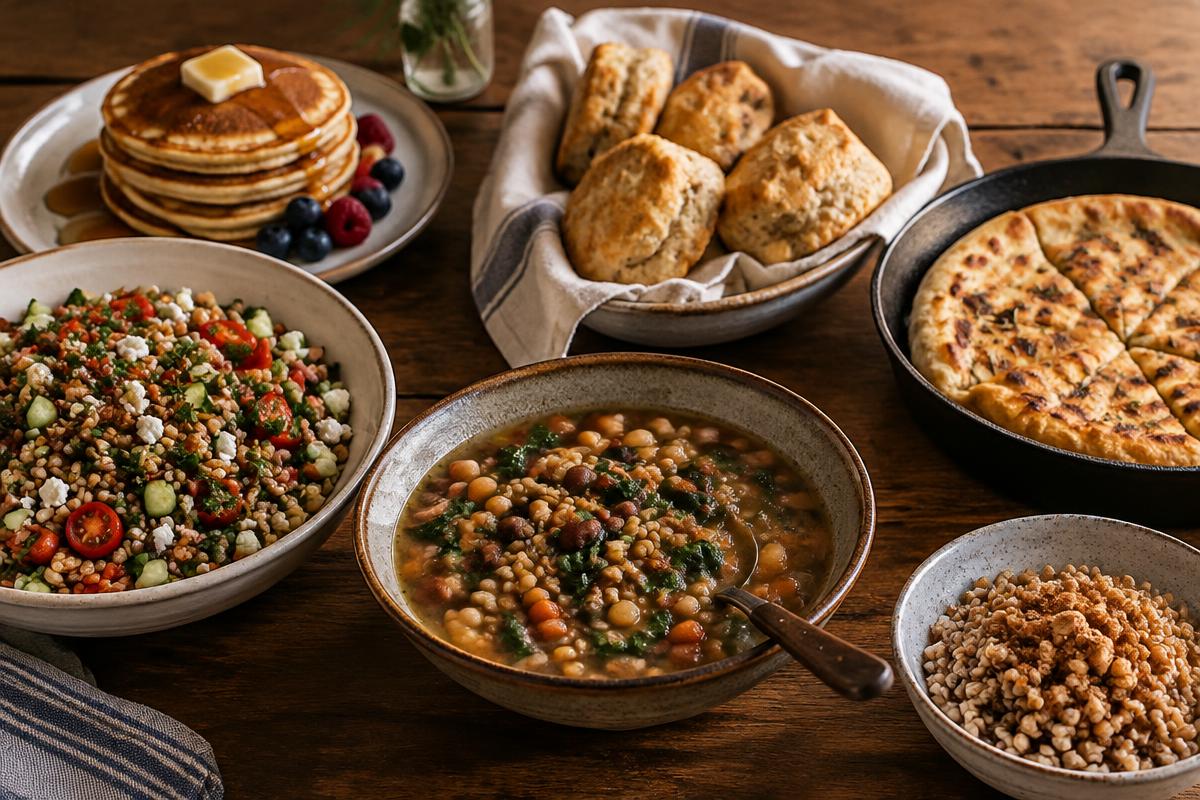
Wheat is one of the most versatile foods you can keep in your emergency pantry.
It can become bread, tortillas, pancakes, cereal, soups, stews, crackers, biscuits, dumplings, and many other foods.
It can also be sprouted and grown into wheatgrass, with appropriate food-safety precautions.
But the real value of wheat comes from knowing what to do with it.
If your family has several buckets of wheat but no experience preparing it, your food storage plan is incomplete.
Begin practicing now.
Learn which recipes your family likes.
Discover how much water and fuel you need.
Experiment with methods that require less heat.
And make wheat a normal part of your family's meals instead of something you only expect to eat during a disaster.
The best emergency food is food you already know how to prepare, know how to eat safely, and know your family will enjoy.
Related Emergency Prepper Articles
- Cooking Without Constant Heat: How to Save Fuel During an Emergency
- 7 Practical Ways to Cook Emergency Meals Using Very Little Fuel
- Emergency Cooking Fuels: Will Your Supply Last 14 Days—or 90?
- Dried Beans for Emergency Food Storage: How to Cook Them Safely and Make 20 Delicious Meals
- The Hidden Danger of Cooked Rice: What Every Family Should Know
- Rolled Oats: The Unsung Hero of Long-Term Food Storage
- Use the free Long-Term Food Storage Calculator and Family Planner to plan how much wheat your family needs. Both are free, need no sign-up and store nothing about you.
Coming soon:
- How to Store Wheat for Long-Term Emergency Food Storage
- Choosing a Grain Mill: Manual and Electric Options for Emergency Preparedness
A Closing Thought on Daily Bread
When the Savior taught His disciples to pray, He asked them to say, "Give us this day our daily bread" (Matthew 6:11). I think about that line every time I open a bucket of wheat. Storing grain is wise, but the prayer reminds me that every meal is still a gift, and that I'm meant to depend on God one day at a time.
He also called Himself "the bread of life" (John 6:35). Wheat in the basement can feed my family's bodies for a season. Learning to turn to Him each day is what feeds us when the buckets run low.
Research References
USDA MyPlate — Whole Grains
https://www.myplate.gov/eat-healthy/grainsUSDA Food Safety and Inspection Service — Flour Is a Raw Food
https://www.fsis.usda.gov/food-safety/safe-food-handling-and-preparation/food-safety-basicsFDA — Raw Flour and Dough Food Safety
https://www.fda.gov/consumers/consumer-updates/flour-raw-food-and-other-safety-factsFDA — Sprouts and Food Safety
https://www.fda.gov/food/buy-store-serve-safe-food/selecting-and-serving-produce-safelyUSDA FoodData Central — Nutritional Information for Wheat and Wheat Products
https://fdc.nal.usda.gov/Utah State University Extension — Food Preservation and Preparedness Resources
https://extension.usu.edu/preserve-the-harvest/FoodSafety.gov — Safe Food Storage and Handling
https://www.foodsafety.gov/
Related articles
Long-Term Food Tips
Cooking Without Constant Heat: How to Save Fuel During an Emergency
Bring the pot to a boil, turn off the stove, and let stored heat finish the job. Here's how retained-heat cooking can stretch your emergency fuel.
Read “Cooking Without Constant Heat: How to Save Fuel During an Emergency”Long-Term Food Tips
7 Practical Ways to Cook Emergency Meals Using Very Little Fuel
Thermos oatmeal, covered-pot couscous, thermal cooker rice and no-cook meals: seven simple ways to feed your family on very little fuel.
Read “7 Practical Ways to Cook Emergency Meals Using Very Little Fuel”Long-Term Food Tips
Dried Beans for Emergency Food Storage: How to Cook Them Safely and Make 20 Delicious Meals
Learn how to safely cook pinto, kidney, and other dried beans, conserve emergency cooking fuel, and prepare 20 delicious meals using shelf-stable ingredients.
Read “Dried Beans for Emergency Food Storage: How to Cook Them Safely and Make 20 Delicious Meals”